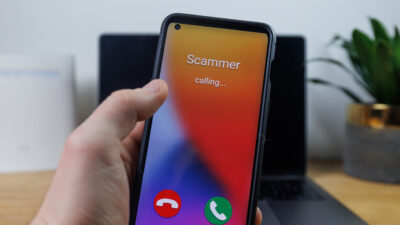

In today’s digital age, communicating safely has become more critical than ever. With the rise in telecommunication fraud, especially involving phone numbers, it’s vital to stay informed and vigilant. This article explores the dangers of fraudulent UK phone numbers and provides comprehensive guidelines on how to protect yourself. By the end, you’ll understand the key threats and learn how Hullomail can be your trusted partner in safe communication.
The Rising Threat of Fraudulent UK Phone Numbers
Fraudulent phone numbers are a significant threat in the UK, with scammers constantly devising new tactics to deceive individuals and businesses. These scams can range from phishing attempts and identity theft to financial fraud and more. Understanding the common types of fraudulent phone numbers and their associated schemes is the first step towards protecting yourself.
Common Types of Fraudulent Phone Numbers
- Spoofed Numbers: Scammers manipulate caller ID information to display a legitimate number, such as a government agency or a well-known business, making it difficult to identify the call as fraudulent.
- Premium Rate Numbers: Calls to these numbers result in exorbitant charges, often without the victim’s knowledge until they receive their phone bill.
- International Scams: Fraudsters use international numbers to trick recipients into calling back, incurring high call charges.
- SMS Scams: Fraudulent texts often contain links to phishing websites or ask for personal information under the guise of a legitimate request.
How to Identify Fraudulent UK Phone Numbers
Recognizing the signs of a fraudulent call or text can save you from falling victim to scams. Here are some red flags to watch out for:
- Unsolicited Calls or Texts: Be wary of any unexpected communication, especially if it involves personal information or financial transactions.
- Urgent or Threatening Language: Scammers often create a sense of urgency or fear to prompt quick action without rational consideration.
- Requests for Personal Information: Legitimate organizations rarely ask for sensitive information via phone calls or texts.
- Unknown Area Codes: Be cautious of unfamiliar area codes, especially those from international locations.
Real-Life Examples of UK Phone Scams
To illustrate the severity and diversity of fraudulent phone number scams, let’s look at a few real-life examples:
The HMRC Scam
One of the most notorious scams involves fraudsters impersonating HM Revenue and Customs (HMRC) officials. Victims receive calls or messages claiming they owe taxes and face immediate arrest if they do not pay. The scam creates panic, leading some to comply without verifying the legitimacy of the call.
The Bank Fraud Scam
In another prevalent scam, criminals pose as bank representatives, alerting the victim to supposed fraudulent activity on their account. They then request sensitive information, such as PINs or passwords, under the pretense of securing the account, only to use it for theft.
How to Communicate Safely with Hullomail
Hullomail offers robust solutions to protect you from fraudulent phone numbers and enhance your communication safety. Here’s how you can leverage Hullomail’s features to safeguard yourself:
Call Blocking and Screening
Hullomail provides advanced call-blocking and screening features that automatically filter out known spam and fraudulent numbers. By using Hullomail, you can ensure that suspicious calls never reach you.
Voicemail Security
Hullomail’s secure voicemail service ensures that your messages are protected from unauthorized access. With features like voicemail-to-email and personalized greetings, you can manage your communications more efficiently and securely.
Second Phone Number
Using a second phone number for online activities or unfamiliar contacts can significantly reduce the risk of scams. Another Number allows you to easily set up and manage a second number, keeping your primary number private and secure.
Known Safety Threats Related to Fraudulent UK Phone Numbers
Understanding the broader context of safety threats can help you stay vigilant. Here are some known threats associated with fraudulent phone numbers:
Phishing and Identity Theft
Scammers often use phone numbers to conduct phishing attacks, where they trick victims into revealing personal information. This information can then be used for identity theft, leading to significant financial and personal consequences.
Financial Fraud
Fraudulent phone calls can result in direct financial loss. Scammers may convince victims to transfer money, make payments, or reveal credit card details.
Privacy Invasion
Your privacy can be compromised through unsolicited calls and messages. Scammers can gather information about your habits, preferences, and more, which can be used for further malicious activities.
Tips for Staying Safe from Fraudulent UK Phone Numbers
To help you stay safe, here are some practical tips:
- Verify Caller Identity: Always verify the caller’s identity before sharing any personal information. Hang up and call back using a verified number from an official source.
- Use Call Blocking Services: Utilize call-blocking services like Hullomail to filter out known fraudulent numbers.
- Report Suspicious Calls: Report any suspicious calls or messages to relevant authorities. This helps in tracking and mitigating scam activities.
- Educate Yourself and Others: Stay informed about the latest scams and educate your friends and family to ensure they are also protected.
Conclusion
Fraudulent UK phone numbers pose a significant threat to our safety and privacy. By understanding these threats and adopting safe communication practices, you can protect yourself and your loved ones. Hullomail is here to support you with advanced features designed to keep your communications secure. Remember, vigilance and proactive measures are your best defense against phone scams. Communicate safely with Hullomail and stay one step ahead of fraudsters.