

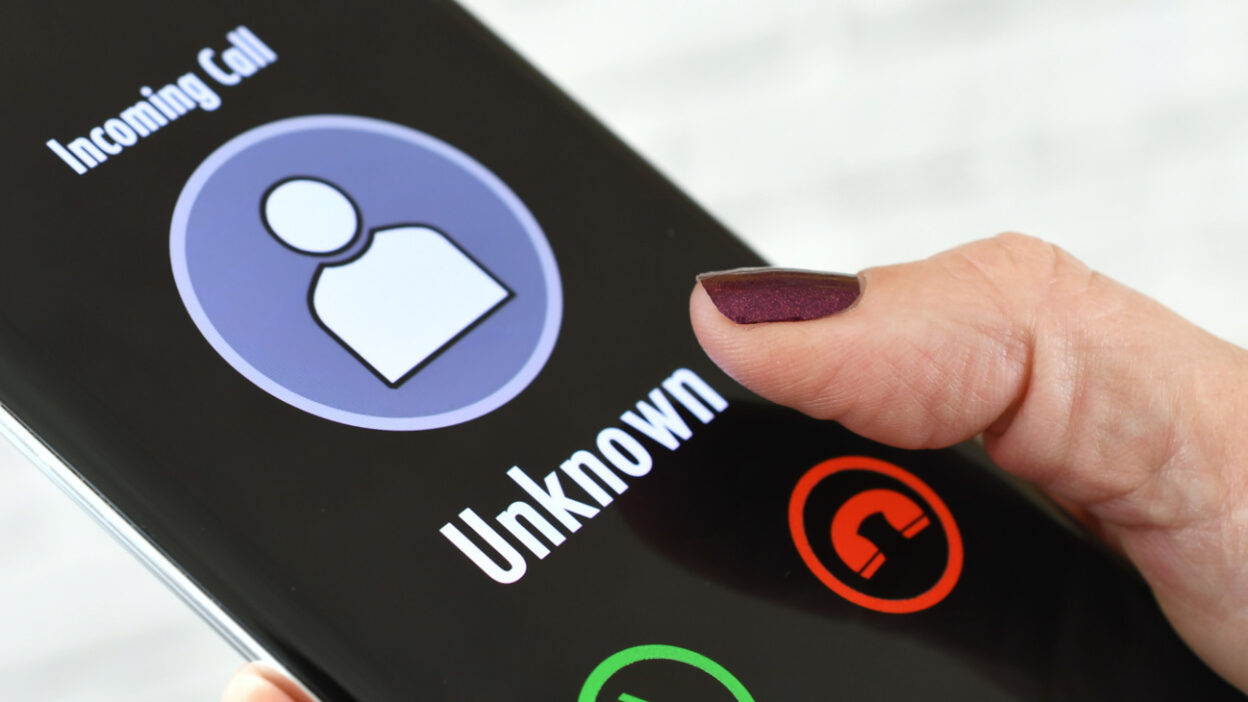
How to lookup a number to see if it is a Spam Call
In today’s digital landscape, spam calls have become a widespread issue, often disrupting daily routines and even posing security risks. Knowing how to identify a spam number can help protect your privacy, avoid scams, and maintain a peaceful phone experience. Here’s a guide on effective ways to look up a phone number and determine if it’s spam.
CHECK AND SEE IF A NUMBER HAS BEEN REPORTED AS SPAM
See where your phone number, address, or other info is exposed – in seconds.
🔒 Your info will remain private and secure.
1. Start With a Reverse Phone Lookup Tool
A reverse phone lookup tool can help identify the owner of a number and any associated spam or scam complaints. These tools allow users to enter a phone number and receive details, such as:
- Caller’s name or business name
- Type of phone number (landline, VoIP, mobile)
- Location of the caller
- User-reported spam and scam activity associated with the number
Recommended Reverse Lookup Tools:
- YouMail’s Online Directory: YouMail’s Phone Number Directory is designed to flag high-risk spam and scam numbers, based on user reports and sophisticated filtering algorithms.
2. Check Online Spam Reporting Databases
There are specific databases designed to track and flag spam phone numbers. By entering a phone number into these services, you can learn if others have reported it for spammy or fraudulent activities.
- YouMail Robocall Index: The YouMail Robocall Index provides detailed reports on spam and robocall activity across the United States, helping you see if a specific number or area code has been associated with high levels of robocall activity.
- Federal Trade Commission (FTC) Complaint Assistant: The FTC’s website allows you to file complaints about scam calls, and it’s a good place to check trends in spam call activity based on community reporting.
3. Use Social Media and Online Search Engines
Entering the phone number directly into search engines like Google or Bing can also yield useful results. Sometimes, people share their experiences with specific spam callers on forums, blogs, or social media sites. Including the word “spam” or “scam” alongside the phone number in the search query can filter results and increase the chances of finding relevant reports.
4. Review User Comments on Third-Party Websites
Several websites and apps allow users to share their experiences with spam calls, providing valuable insights into suspicious numbers.
- 800Notes: This platform allows people to post their encounters with unknown numbers. By looking up the number, you can view others’ comments and identify if a caller is suspected of spam.
- WhoCallsMe: Like 800Notes, WhoCallsMe provides a space where users can report spam numbers and share call experiences.
- Should I Answer?: This app and website let users report spam numbers and review comments from other users who’ve encountered the same number.
Download YouMail and instantly stop spam calls, texts, and voicemail.
5. Leverage a Spam-Blocking App
Some of the most effective tools to identify and block spam calls are dedicated spam-blocking apps. These apps use large databases of reported spam numbers and sophisticated algorithms to warn users of potential spam calls.
Top Spam-Blocking Apps:
- YouMail: The YouMail app not only blocks known spam numbers but also provides visual voicemail and caller ID features. It flags numbers based on user reports and industry data, helping you quickly identify potential scams.
- Hullomail: The Hullomail app offers caller ID and spam protection services, alerting users when an incoming call is likely spam.
- Another Number: Designed specifically to block robocalls in the UK, Another Number automatically screens calls against a known list of spam numbers and only lets legitimate calls through.
6. Consult Official Government Databases
Some government agencies maintain resources and tools to help citizens avoid scams, including searchable databases of phone numbers known for fraudulent activity.
- Federal Communications Commission (FCC): The FCC’s website offers resources and guides to avoid spam calls and scams. While it may not have a specific lookup feature, it is valuable for understanding the types of scams currently trending and getting updates on government actions against robocalls.
- National Do Not Call Registry: Registering your number with the Do Not Call list can reduce telemarketing calls. While it doesn’t stop all spam, it does allow you to report companies that ignore the registry.
7. Analyze the Number and Call Behavior
Spam calls often follow certain patterns that you can use to recognize and avoid them. Here are a few red flags to watch for:
- Local Spoofing: If a number is similar to your own, it may be a tactic called “neighbor spoofing,” where scammers disguise their number to look local to increase the chances you’ll answer.
- Unknown Area Codes: Certain area codes, especially international ones, are often used by scammers. Be cautious of unfamiliar area codes that originate outside of your country.
- Recorded Messages or “Robocalls”: Calls that begin with recorded messages are usually spam. If the message is about winning a prize or is urgent in nature, it’s likely a scam.
- Multiple Calls from the Same Number: Receiving multiple calls in a short time frame is often indicative of spam.
8. Report the Number to Help Others
If you’ve verified that a number is spam, reporting it can help others avoid the same issues. Here’s how you can contribute:
- YouMail’s Reporting Feature: YouMail allows users to report spam calls directly in the app, which helps to keep their spam list up to date.
- Report to the FTC or FCC: Submitting a complaint to the FTC or FCC provides official documentation and helps with regulatory efforts against spam and scam calls.
9. Stay Proactive with Call Management
By taking proactive measures, you can reduce the chances of falling victim to spam calls. Here are a few tips to stay safe:
- Enable “Do Not Disturb” for Unknown Callers: Most smartphones allow you to silence unknown callers. While it won’t stop the calls, it will keep them from interrupting you.
- Avoid Engaging with Spam Callers: If you suspect a call is spam, don’t answer it. Engaging with scammers can lead to more spam calls in the future.
- Regularly Check Your Voicemail for Suspicious Messages: Sometimes, spam calls leave voicemails with dangerous prompts or links. Ensure your voicemail provider (like YouMail) has security features to screen for spam.
Why YouMail Is a Top Solution for Blocking and Identifying Spam Calls
With the rise in spam and scam calls, YouMail has become a trusted tool for managing and protecting against unwanted calls. Here’s what sets YouMail apart:
- Intelligent Spam Detection: YouMail’s algorithms are designed to identify and block high-risk numbers, alerting you only when a legitimate call comes through.
- Community-Driven Reporting: YouMail’s users contribute to its extensive database of spam numbers, keeping the platform up-to-date and effective.
- Additional Privacy and Productivity Features: YouMail’s visual voicemail, call screening, and transcriptions enhance productivity while safeguarding your privacy.
For anyone seeking a reliable way to manage spam calls, YouMail offers a comprehensive, user-friendly solution that goes beyond just blocking numbers.
By following these steps and leveraging resources like YouMail’s spam-blocking features, you can regain control over your phone and avoid falling victim to the growing threat of spam calls.


I use a basic call blocking app but still get text messages address to a different name but my number for other states and always about buying a house, interest in home insurance or interest in attending college and all these are for same person. Very annoying stopping my day to deal.with these, and block them. considering You Mail app, just wondering if both myself and spouse can use same app without a double cost?