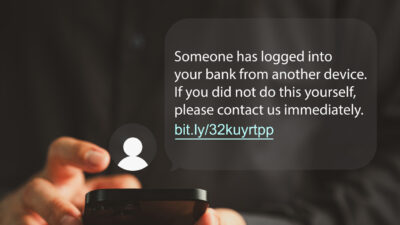


Text scams, often referred to as SMS phishing or “smishing,” have become a prevalent form of digital fraud over the last decade. Beginning as simplistic, easily recognizable schemes, text scams have since evolved into sophisticated attacks that leverage automation and artificial intelligence (AI) to deceive unsuspecting users.
This article will trace the history of smishing, explore how these scams have adapted with digital advancements, and discuss emerging trends. Understanding this evolution can help readers recognize and avoid these increasingly subtle threats, protecting their personal information and financial security.
A Brief History of Smishing: From Basic Text Scams to Digital Deception
Smishing originated in the early 2000s when mobile phones became widely available and SMS technology was mainstream. Early scams were basic, using vague but alarming messages like “You’ve won a prize!” or “Urgent! Contact us about your account!” These messages often came from untraceable numbers and relied on the receiver’s curiosity or concern to get a response.
As smartphone use increased, so did the sophistication of these scams. The growing access to personal and financial information stored on mobile devices made smishing a lucrative opportunity for scammers, who quickly adapted by using language that mimicked banks, government agencies, and utility companies. Instead of “Congratulations! You’re a winner,” the messages started saying things like, “Unusual activity detected on your bank account. Click here to secure your account.”
The Rise of Automation in Smishing
In the mid-2010s, automation began to play a significant role in text scams. With automated messaging systems, scammers could send thousands of fraudulent messages at once, increasing the likelihood of finding vulnerable targets. Automation allowed for wider reach and greater efficiency in scam distribution, enabling scammers to reach more victims without additional effort.
This automation led to an increase in targeted smishing campaigns, where scammers would customize messages based on regional banks, popular retailers, or common service providers. For example, a message might claim to be from a popular bank in the recipient’s area, warning about unauthorized activity or requesting account verification.
The Role of AI in Modern Text Scams
Today, the use of artificial intelligence and machine learning has transformed the smishing landscape. Scammers are no longer limited to generic or poorly worded messages. Instead, AI enables them to create highly realistic messages that closely mimic those from legitimate organizations, such as banks, streaming services, and online retailers. Here’s how AI is changing the game:
- Language Refinement: AI can generate text that mirrors natural language patterns, helping scammers create messages free from common mistakes like typos and poor grammar. This has made it much harder for recipients to recognize fraudulent messages based on errors alone.
- Adaptive Responses: With AI, some scam texts have evolved into interactive scams where the scammer, or an automated bot, can respond based on the recipient’s answers. For example, a scam text might ask, “Did you attempt a recent transaction?” If the recipient replies “No,” the bot might respond with instructions to “verify” their account through a fake link.
- Behavioral Targeting: AI enables scammers to personalize messages based on behavioral data gathered from data breaches or other sources. A recipient might receive a text referencing a specific service or account they use, creating a greater sense of authenticity and urgency.
New Tactics in Modern Text Scams
With AI, automation, and an expanding digital landscape, modern text scams use several unique and more effective tactics to deceive victims. Here are some of the latest trends in smishing:
1. Spoofed Numbers and Realistic Sender IDs
Scammers now use number spoofing to make their messages appear as though they’re coming from legitimate organizations. Some spoofed numbers may even include the same area code or prefix as the recipient, making the message appear even more credible. Many smishing attempts also use real company names as their “Sender ID” so the text looks as though it’s from a bank or company the recipient knows.
2. Phishing Links with Shortened or Masked URLs
Modern text scams often use URL shorteners to disguise the destination of a link. This can make a scam link look legitimate and increase the chances that a recipient will click without thinking. Some URLs are masked to appear like well-known domains, but with subtle changes like extra letters or numbers (e.g., “amaz0n.com” instead of “amazon.com”).
3. Impersonation of Security and Authentication Alerts
A recent trend in smishing is impersonating two-factor authentication (2FA) messages or other security alerts. The messages may claim that a login attempt was detected on the recipient’s account, urging them to confirm or deny access. If the recipient clicks, they’re taken to a fake site that mimics the real login page, where they’re prompted to enter sensitive information.
4. Fake Financial Alerts and Payment Reminders
Financial institutions are frequent targets of impersonation in smishing attempts, with messages claiming overdue payments, refund offers, or unusual account activity. These messages prompt users to “resolve the issue” through a provided link, where they’re then asked to enter payment or account details. Scammers have noticed that financial alerts create immediate concern, increasing the likelihood of a quick response.
5. Scam Texts with Interactive Options
Scammers now use interactive messages, similar to customer service chatbots, where recipients are encouraged to reply with numbers or keywords like “STOP” or “YES” to learn more. Responding in any way, even to say “STOP,” signals to scammers that the number is active, potentially leading to more scam messages.
The Future of Text Scams: What’s Next in Smishing?
As digital technology continues to evolve, so will text scams. Here are some trends to watch for as text scammers further refine their methods:
1. AI-Powered Deepfakes for Smishing
While deepfakes are primarily associated with video, similar technology may be used in text scams. Future scams could create ultra-personalized messages that draw from AI-driven data, making it appear as though messages come from trusted contacts, such as family members or close friends. Such messages might request emergency financial help or personal information, increasing their chances of success.
2. Real-Time Phishing with Instant Feedback
AI and automation may enable real-time interaction with victims, similar to chatbot experiences on retail websites. Scammers could refine messages based on the recipient’s responses, dynamically adjusting the content to make the interaction seem more authentic. For example, a smishing bot might engage in a short “customer support” chat to gain the recipient’s trust before requesting sensitive information.
3. The Use of Data from Wearables and IoT Devices
As more people use wearable devices and smart home technology, the data from these devices may be used to personalize scams. For example, a future scam text could reference recent activity from a wearable fitness tracker, claiming unusual patterns or security concerns with the associated account, making the scam feel more relevant.
4. Voice and Video-Enabled Smishing Attempts
The future of smishing may expand to multimedia, including voice and video messages. AI-generated voice messages, sounding like real representatives, may instruct recipients to click a link or confirm details via SMS. Similarly, scam attempts could include short video clips designed to appear like official advertisements or alerts.
How to Stay Safe in the Age of Advanced Smishing
Despite the increased sophistication of text scams, there are practical steps to protect yourself:
- Avoid Clicking on Unknown Links: Be cautious with links in texts from unfamiliar sources. Use direct, known websites instead of provided links when checking account information or verifying alerts.
- Verify the Source: If you receive a text claiming to be from your bank, utility provider, or another organization, call them directly using their official contact number rather than responding to the text.
- Enable Security Features on Your Device: Many smartphones now offer scam filtering and spam blocking options, which can help flag and block suspicious messages.
- Use a Spam-Blocking Service: Services like YouMail provide advanced spam-blocking features to prevent scam texts and calls from reaching you.
- Stay Informed About the Latest Scams: Staying aware of new scam tactics can help you recognize suspicious messages before engaging with them.
The Bottom Line
The evolution of text scams demonstrates that cybercriminals are always finding new ways to target unsuspecting individuals. With advancements in automation and AI, these scams have become more sophisticated, making it harder to distinguish legitimate messages from scams. By understanding the progression of smishing and keeping security practices up-to-date, you can protect yourself from even the most subtle and convincing text scams.
Remaining vigilant and cautious, especially with unknown links and unsolicited messages, is the best defense against the evolving world of text scams in the digital age.