

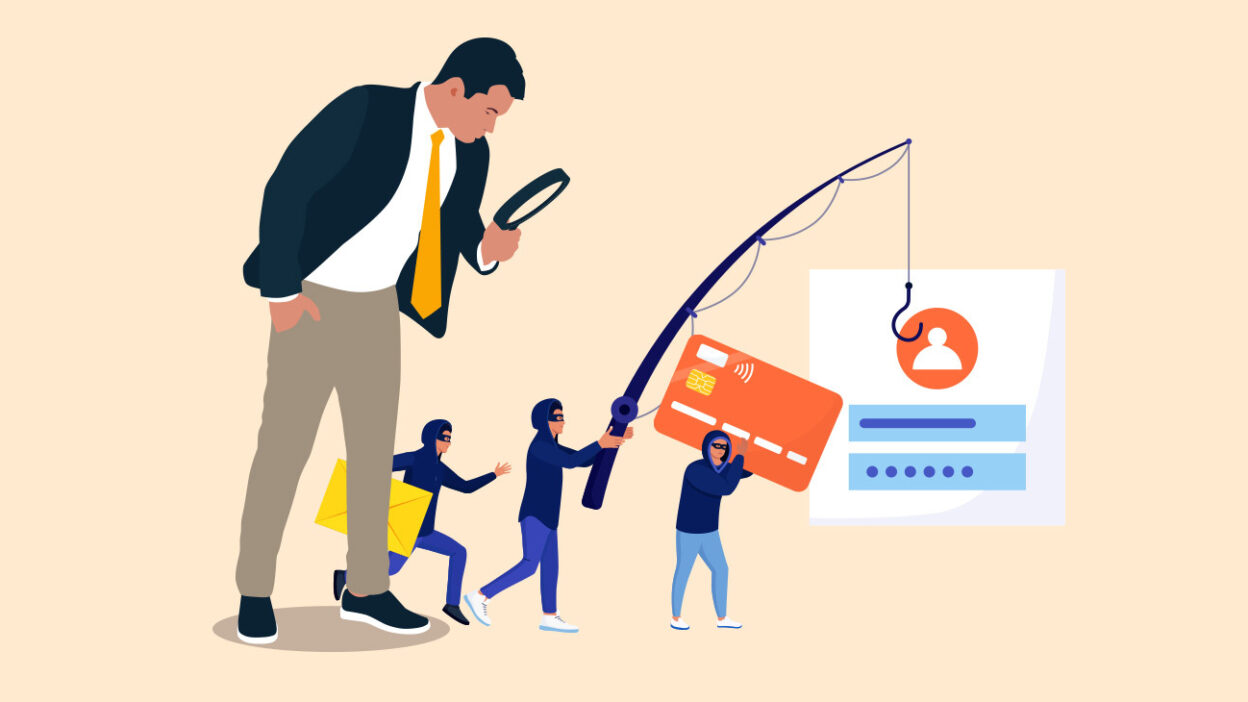
As toll text scams grow increasingly sophisticated, they’re becoming more than just an annoyance—they’re a direct threat to financial security and privacy. While scammers exploit the rise of electronic toll systems, their tactics evolve to deceive even the most cautious individuals.
In this article, we’ll explore how these scams are changing, their potential consequences, and why adopting a multi-layered defense strategy is critical in today’s digital landscape.
How Toll Text Scams Are Evolving
Scammers are continually refining their techniques to bypass security measures and exploit unsuspecting individuals. Recent warnings from the Federal Trade Commission (FTC) and the California Department of Justice reveal several alarming trends in these scams.
1. Mimicking Legitimate Agencies
Scammers increasingly impersonate reputable tolling agencies like FasTrak or The Toll Roads. They send texts claiming overdue toll payments, often including:
- Fake toll amounts.
- Links to fraudulent websites that resemble official portals.
For example, a phishing text might direct users to a website like “thetollroads-payments.com,” a URL that closely resembles the legitimate site but is designed to steal sensitive information.
2. Leveraging Technology to Seem Authentic
Modern scammers use advanced methods to make their messages more convincing:
- Geo-targeting: Sending messages to drivers in specific areas where toll systems are common.
- Personalized Texts: Including details like names or vehicle registration information to build trust.
3. Exploiting Human Psychology
Urgency remains a key tactic. Messages often warn of immediate consequences, such as license suspension or additional fees, to push victims into acting without thinking.
The Consequences of Falling Victim
Toll text scams aren’t just about losing a few dollars. They can have far-reaching effects, including:
1. Financial Loss
Entering banking or credit card information on a fraudulent site can result in unauthorized charges or drained accounts. Victims may face months of financial recovery efforts.
2. Identity Theft
As highlighted in the FTC’s advisory, scammers often seek personal information like driver’s license numbers or addresses. This data can be used to:
- Open fraudulent accounts in your name.
- Sell your identity on the dark web.
3. Emotional Stress
The aftermath of being scammed—financial loss, privacy invasion, and recovery efforts—can take a significant emotional toll. Many victims report feelings of violation, stress, and distrust of future communications.
Why Comprehensive Protection Is Crucial
Given the evolving nature of these scams, relying on traditional vigilance alone is no longer enough. A robust defense strategy combines awareness, proactive reporting, and technological tools like YouMail.
1. Stay Informed
Education is the first line of defense. Know how to recognize and respond to phishing attempts:
- Avoid Clicking Links: If a message seems suspicious, verify its legitimacy directly through the toll agency’s official website or phone number.
- Do Not Respond to Text: Responding to text can expose personal information.
- Share Knowledge: Discuss these scams with friends and family to ensure they don’t fall victim.
2. Report and Take Action
- Forward scam texts to 7726 (SPAM) to alert your carrier.
- File complaints with agencies like the FBI’s Internet Crime Complaint Center (www.ic3.gov) and the FTC.
3. Use Tools Like YouMail for Enhanced Protection
While awareness is essential, technology can provide a critical layer of protection.
How YouMail Safeguards You Against Toll Text Scams
YouMail offers advanced features that make it easier to detect and block fraudulent communications. Here’s how it helps:
1. Spam Text Blocking
YouMail uses cutting-edge algorithms to identify and block scam texts before they reach your phone. This proactive approach saves you the hassle of dealing with suspicious messages.
2. Robocall Defense
Many toll scam messages are paired with robocalls. YouMail can block these calls, reducing the risk of falling victim to voice phishing (vishing).
3. Peace of Mind
By automatically filtering out suspicious communications, YouMail gives you the confidence to focus on legitimate messages while keeping scammers at bay.
What to Do If You’ve Been Targeted
Even the most cautious individuals can fall victim to toll text scams. If it happens to you, take these steps immediately:
1. Secure Your Accounts
Change passwords for any affected accounts, including bank accounts and toll service accounts.
2. Dispute Charges
Contact your bank or credit card company to dispute unauthorized transactions and issue fraud alerts.
3. Protect Your Identity
Visit IdentityTheft.gov for tailored recovery plans to secure your identity and prevent further misuse of your information.
Conclusion: A Call to Action for Digital Safety
Toll text scams are a growing threat, but with vigilance and the right tools, you can protect yourself from falling victim. As these scams evolve, adopting a multi-layered defense strategy—including services like YouMail—is more important than ever.
YouMail doesn’t just block unwanted communications; it empowers you to take control of your digital safety, offering a line of defense that adapts to emerging threats.
Stay informed, stay vigilant, and let YouMail help you stay protected. To learn more about how YouMail can secure your phone from scams, visit YouMail’s official website.