
Despite efforts by carriers, regulators, and third-party solutions, robocalls continue to flood American phones at alarming rates. According to the latest data from the YouMail Robocall Index, June 2025 alone saw 4.5 billion robocalls placed nationwide, equivalent to 148.8 million calls per day or 1,700 per second.
That’s the bad news.
The good news? Robocall volume dropped 7.6% month-over-month from May. But even with that decline, many cities and states are still seeing unrelenting call activity. So where are robocalls hitting the hardest in 2025? We dug into the data to find out.
Texas Remains the Top Target

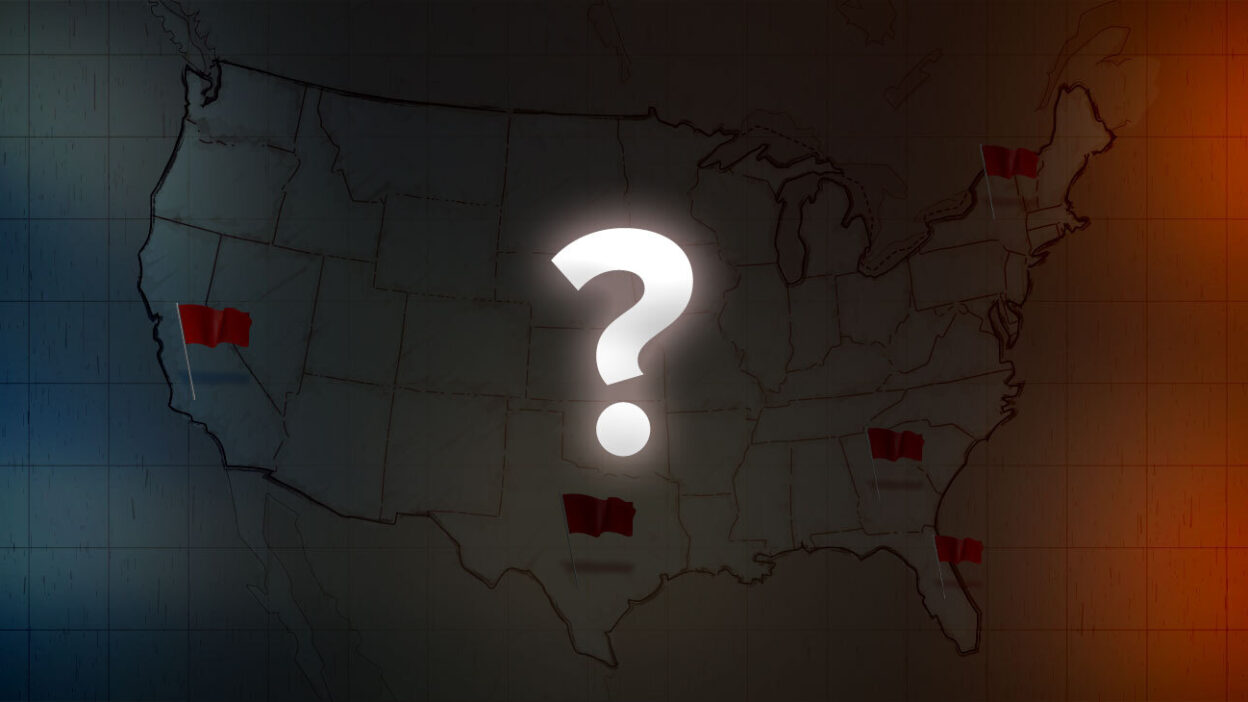
When it comes to raw call volume, Texas leads the nation by a wide margin. So far in 2025, Texans have received an estimated 3.4 billion robocalls, far surpassing every other state.
While that number is down from the 6.4 billion robocalls Texas received in 2024, it’s still more than enough to earn the Lone Star State its title as the top robocall hotspot in America.
Other states topping the list for 2025 robocalls (year to date) include:
The top five have remained consistent over the last several years, highlighting that robocall activity tends to target population centers with large metro areas and diverse area codes.
Most Affected Cities in June 2025
On the city level, Atlanta, Georgia received the highest number of robocalls in June, with an estimated 149.7 million calls in a single month. That’s over 8% of the state’s total robocall traffic in just one metro area.

Here’s how the rest of the top 10 cities stack up:
| Rank | City | Estimated Calls in 2025 |
| 1 | Atlanta, GA | 1,104,312,000 |
| 2 | Dallas, TX | 1,064,906,700 |
| 3 | Chicago, IL | 923,143,500 |
| 4 | Houston, TX | 931,438,300 |
| 5 | New York, NY | 797,883,600 |
| 6 | Los Angeles, CA | 745,190,100 |
| 7 | Phoenix, AZ | 521,878,600 |
| 8 | Baltimore, MD | 547,433,800 |
| 9 | Philadelphia, PA | 435,549,300 |
| 10 | Detroit, MI | 448,799,300 |
It’s worth noting that while many of these cities saw high volume, several experienced month-over-month decreases, including Houston (-12%) and Baltimore (-12%).
What Kind of Calls Are People Getting?

Robocalls aren’t all created equal. According to YouMail’s categorization, telemarketing calls make up the largest share, followed by alerts, scams, and payment reminders:
- Telemarketing: 36%
- Alerts & Reminders: 24%
- Scams: 22%
- Payment Reminders: 15%
- Unclassified: 2%
Scam calls alone accounted for nearly 1 billion robocalls in June, targeting Americans with phishing attempts, impersonation fraud, and too-good-to-be-true offers.
Signs of Progress: Volume Drops in Key States
While the overall call volume remains high, many states are seeing notable improvements. Comparing 2024 to the 2025 data so far, several robocall-heavy states have seen significant drops:
- Texas: down from 6.4B to 3.4B
- Florida: down from 4.2B to 2.2B
- California: down from 4.3B to 2.1B
- Georgia: down from 3.2B to 1.8B
This could reflect better technology on the consumer side, increased awareness, and more aggressive enforcement actions at the federal and state levels.
Still, even with these decreases, millions of calls are being placed every day.
How YouMail Helps You Fight Back
With the average American receiving 13.6 robocalls per month, phone spam is more than a nuisance: it’s a security threat. That’s why YouMail exists.
YouMail helps stop robocalls before they ever reach your phone, using advanced audio fingerprinting and spam databases to block unwanted calls. YouMail also helps users:
- Identify suspicious numbers before answering
- Report scam calls to strengthen community protection
- Automatically play out-of-service messages to telemarketers
- Transcribe voicemail and block future spammers
Stay Vigilant, Stay Protected
Whether you live in Atlanta, Dallas, Los Angeles, or a smaller town in between, robocalls