


In today’s world of increasing digital communication, scammers have found a new way to target unsuspecting individuals: toll text scams. This rising trend preys on the convenience of electronic toll systems, deceiving people into providing sensitive financial and personal information.
This article explores how these scams work, what you can do to protect yourself, and how YouMail can be a powerful ally in blocking these fraudulent messages.
What Are Toll Text Scams?

Toll text scams are phishing attempts designed to trick drivers into believing they owe unpaid tolls. These scams typically begin with a text message that:
- Claims you have overdue toll charges.
- Provides a link to pay the “balance.”
- Uses urgency to pressure immediate action.
According to a Consumer Alert by the Federal Trade Commission (FTC), the links included in these texts often lead to fake websites resembling legitimate toll agency pages. Scammers aim to steal your financial details, personal data, or even your identity. Worse, clicking on these links may expose your device to malware.
Example of Scam Messages:
“Please pay your FasTrak toll immediately to avoid penalties. Visit [fake link] to complete your payment.”
Such messages might appear official, but they are designed to exploit trust and incite panic.
How Toll Text Scams Work
As detailed by The Toll Roads Transportation Corridor Agencies, scammers have become increasingly sophisticated in mimicking official tolling systems, such as FasTrak and other services. They use:
- Spoofed Links: Fake URLs resembling legitimate websites.
- Personalized Details: Messages that include your location or vehicle-related references to seem credible.
- Urgency Triggers: Warnings about late fees, penalties, or license suspensions to rush decisions.
Scammers typically target individuals who might use toll systems frequently, but even people who haven’t driven through a toll can receive these fraudulent texts.
Recent Surge in Toll Text Scams
The prevalence of toll text scams has surged in recent months, with agencies and government officials issuing warnings to consumers.
In a press release from the California Department of Justice, Attorney General Rob Bonta emphasized the scale of this scam. He warned that many of these texts falsely claim to be from tolling agencies like FasTrak and direct users to fraudulent websites.
The rise of these scams can be attributed to:
- Growing Dependence on Electronic Toll Systems: As drivers move away from cash toll payments, scammers exploit the digital format.
- Increased Trust in Text-Based Communication: People are more likely to trust texts from service providers, making this scam method effective.
How to Spot and Avoid Toll Text Scams
Here are steps to protect yourself from falling victim to toll text scams:
1. Be Wary of Unexpected Texts
As the FTC advises, don’t click on links in texts you weren’t expecting. Legitimate tolling agencies do not typically request payments via text, especially from non-accountholders.
2. Verify the Source
Always verify the legitimacy of a text by visiting the official website of the toll agency or calling their customer service directly. Avoid using links or numbers provided in the suspicious message.
3. Report Scam Messages
Forward suspicious texts to 7726 (SPAM), a messaging service designed to flag phishing attempts. Agencies like The Toll Roads also recommend filing a complaint with the Internet Crime Complaint Center (www.ic3.gov).
4. Delete and Block
Once you’ve reported the message, delete it immediately. Tools like YouMail can help block these messages from reaching you again.
What to Do If You’ve Responded to a Scam
If you’ve clicked a link or entered information, take immediate action:
- Secure Your Accounts: Change passwords for banking, tolling accounts, or any related services.
- Monitor Financial Activity: Check for unauthorized transactions and report them to your bank.
- Visit IdentityTheft.gov: This FTC resource provides step-by-step guidance for recovering from identity theft.
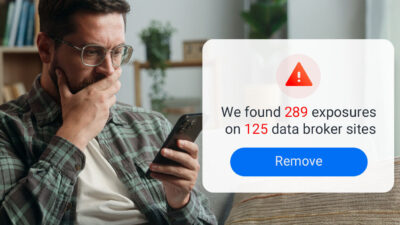
- Run A Privacy Scan: Find out where you number is exposed online, and remove it from being exposed to scammers
How YouMail Helps Protect You From Toll Text Scams
YouMail is a robust tool designed to help you identify, block, and manage spam messages, including toll text scams. Here’s how it works:
- Spam Detection: YouMail uses advanced technology to detect fraudulent texts and calls, keeping your inbox clean and secure.
- Automatic Blocking: YouMail prevents scam texts and robocalls from ever reaching your phone.
- Enhanced Privacy: By stopping scammers from contacting you, YouMail helps reduce the risk of data breaches and identity theft.
With YouMail, you can have peace of mind knowing that suspicious messages are automatically filtered out, saving you time and frustration.
Conclusion: Stay Vigilant Against Toll Text Scams
Toll text scams are a rising threat in the digital age, preying on individuals’ trust and urgency to act. By staying informed, verifying communication sources, and using protective tools like YouMail, you can safeguard your personal and financial information.
For more information on how YouMail can help, visit YouMail’s official website. Together, we can outsmart scammers and stay one step ahead of fraud.
FAQ’s about tole road scam texts
Toll road scams involve fraudsters impersonating toll agencies to trick drivers into paying fake fines, fees, or toll charges. These scams are often carried out through fake emails, text messages, or phone calls, and sometimes involve fake websites designed to look like official toll authorities.
Look out for the following red flags:Emails or texts from unknown senders claiming unpaid tolls or fines.
Requests for immediate payment with threats of legal action or penalties.
Links to unofficial or suspicious-looking websites.
Generic or incorrect details about the toll charge or your vehicle.
Do not click on any links or provide personal or payment information
Verify the legitimacy of the message by contacting the toll agency directly using official contact details (not the ones provided in the suspicious message).
Report the scam to your local toll authority and consumer protection agency.
Set up an official account with your toll authority and monitor your transactions.
Enable email or text notifications for toll charges to stay updated.
Avoid sharing personal or payment details unless you’re on the toll agency’s official website or app.
Use strong passwords for toll accounts and avoid using public Wi-Fi for payments.
Immediately contact your bank or credit card provider to freeze or reverse unauthorized transactions.
Report the scam to your toll authority and law enforcement.
Monitor your financial accounts for any additional suspicious activity.
Change your passwords if you provided any login credentials.

Yes, I saw something on the news about this as well. Everyone in my family got different toll text scams, the odd thing is two of my kids don’t even drive yet.
Wow, that really shows how random these scams can be — sending toll text messages to people who don’t even drive yet! They’re clearly casting a wide net and hoping someone bites. Appreciate you sharing — the more people know, the easier it is to avoid falling for this kind of thing.
Over the last year, I’ve come to test texts just like emails: if I wasn’t expecting it, immediately be suspicious of it and proceed with caution. I especially make sure never to click on sent links, copy and paste anything, reply with “Y,” or even reply at all.
Instead, I call the number on the back of my credit card or use my regular login method that I’ve been using since opening the account.
I also make sure to examine every character of the number from which the text was supposedly sent as well as all URLs and email addresses in the message. If any of that looks even one character off, I don’t click or reply; I simply block and delete.
I fell victim to a phishing scam once, but luckily, they weren’t able to do any damage. That was a “cheap” but very embarrassing lesson for me because I was locked out of my work email for a week, and during that time, the scammer sent out numerous emails to my work contacts with the same trap that had ensnared me. Luckily, most or all of my posts were savvy enough not to fall victim to it!
Really appreciate you sharing your experience — that’s a tough way to learn, but it sounds like you’ve turned it into a solid defense strategy. The habit of being skeptical of unexpected messages, double-checking links, and going straight to trusted sources is exactly what we recommend (and what toll text scammers hate). Glad the damage was limited and that your contacts didn’t fall for it too. Thanks for adding such a smart perspective to the conversation — it helps others stay sharp too!