

Are you getting more robocalls and scam calls than ever before? You’re not alone. Across the U.S., many cities have seen a sharp rise in unwanted calls, from telemarketing to scam calls, leaving residents frustrated and vulnerable to fraud. With the latest data from September 2024 showing millions of calls being placed each day, it’s time to see if your city is among those most affected.
In this article we will discuss:
- Why Are Robocalls Increasing?
- Top Cities Affected by the Robocall Surge
- Cities Receiving the Most Robocalls
- What’s Driving the Spike in Robocalls?
- How to Protect Yourself from Robocalls and Scam Calls
Why Are Robocalls Increasing?
There are several reasons behind the rising volume of robocalls and scam texts. For one, telemarketing remains a major driver of these calls. Automated systems allow businesses to dial thousands of numbers quickly and cheaply. Unfortunately, this means consumers in targeted cities are often bombarded with unwanted calls.
In addition, scam calls are becoming more sophisticated. Fraudsters use tactics like caller ID spoofing to disguise their numbers, making it difficult for people to recognize a scam call until it’s too late. These scams can range from fake tech support claims to IRS impersonations, often leaving victims at risk of identity theft or financial loss.
Top Cities Affected by the Robocall Surge
Based on the latest data, certain cities have experienced significant increases in robocalls over the past month. Here are some cities that saw the largest month-over-month (MoM) increases:
- Albany, GA – 11% increase
- Memphis, TN – 9% increase
- Fredericksburg, VA – 9% increase
- Beaumont, TX – 9% increase
- Southaven, MS – 8% increase
These cities have become prime targets for robocall campaigns, particularly those involving telemarketing and scam calls. Smaller cities like Albany and Southaven, in particular, have been heavily affected as robocallers expand their reach into new regions.
Cities Receiving the Most Robocalls
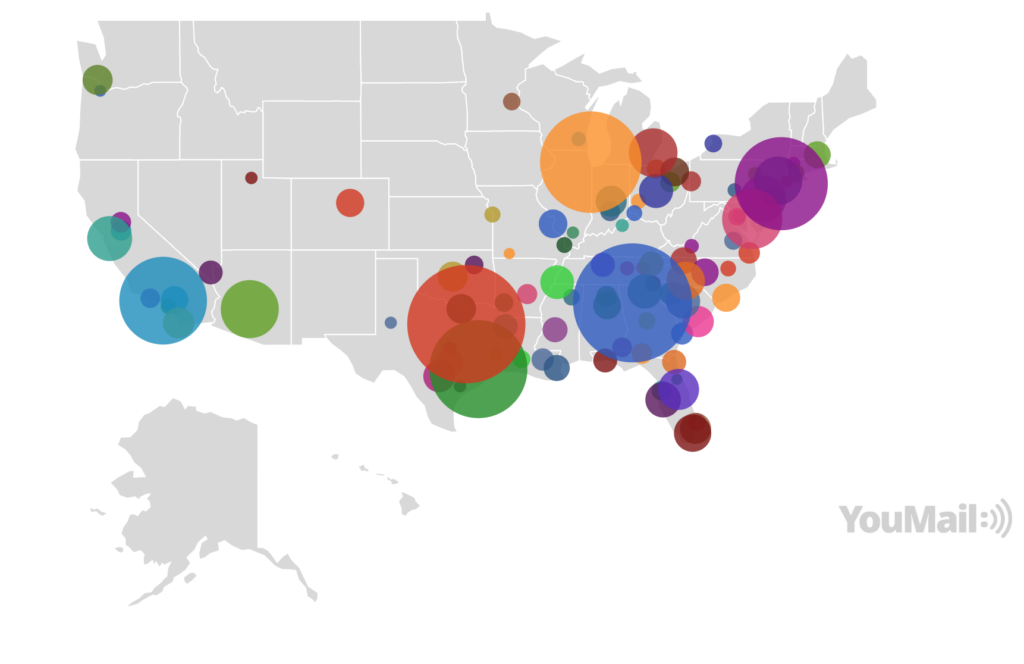
In addition to cities seeing the sharpest increases in robocalls, there are also several cities consistently receiving the highest volume of robocalls each month. According to the September 2024 data, these are the top five cities hit hardest by robocalls:
- Atlanta, GA – 157.4 million calls received
- Dallas, TX – 156.3 million calls received
- Chicago, IL – 134.2 million calls received
- Houston, TX – 129.5 million calls received
- New York City, NY – 123.1 million calls received
Major metropolitan areas like Atlanta, Dallas, and Chicago remain hotspots for robocall activity. These cities are large commercial hubs, making them attractive targets for telemarketing campaigns as well as fraudulent activities. Houston and New York City also continue to experience high volumes of robocalls, likely driven by a mix of political, telemarketing, and scam calls.
What’s Driving the Spike in Robocalls?
Several factors contribute to the increase in robocalls and scam calls:
- Telemarketing Expansion: Businesses continue to use automated systems to reach potential customers, especially in cities where residents may not be as protected by call-blocking apps or services.
- Scam Call Sophistication: Scammers are constantly finding new ways to bypass call-blocking technologies. This includes using local area codes to trick residents into answering calls from what appear to be familiar numbers.
- Election Season: With elections around the corner, political robocalls have ramped up. Many cities are experiencing more calls related to political campaigns, voter registration, and fundraising efforts, contributing to the overall increase in robocall activity.
Is Your City on the List?
Even if your city didn’t make the top five, you could still be experiencing a spike in spam calls. Here are other cities that saw an increase in robocalls:
- Miami, FL – 5% increase
- Fort Lauderdale, FL – 5% increase
- Oklahoma City, OK – 5% increase
- Macon, GA – 5% increase
- Lubbock, TX – 6% increase
These cities, along with others, are seeing a noticeable uptick in unwanted calls, particularly as telemarketing and scam texts continue to target new regions.
How to Protect Yourself from Robocalls and Scam Calls
With robocalls on the rise, it’s essential to take action to protect yourself from telemarketing, scam calls, and robo texts. Here are a few steps you can take:
- Download a Call-Blocking App: Apps like YouMail can help filter out spam calls, making it harder for telemarketers and scammers to reach you.
- Don’t Answer Unknown Numbers: If you don’t recognize the number, let it go to voicemail. Most scam callers won’t leave a message, and legitimate businesses will.
- Report Scam Calls: If you receive a scam call, report it to the Federal Trade Commission (FTC) or the Federal Communications Commission (FCC). This can help authorities track the source of these calls and reduce their impact on others.
- Be Careful with Text Messages: If you receive a suspicious text message from an unknown number, don’t click on any links. Scam texts are on the rise, and clicking on a malicious link could expose your personal information or install malware on your device.
Conclusion: Stay Aware and Take Action
As the robocall problem continues to grow, especially in cities like Albany, Memphis, and Fredericksburg, consumers need to stay informed and vigilant. Whether it’s telemarketing, scam calls, or scam texts, there are tools available to help you block unwanted calls and protect your personal information.
Don’t wait for the robocalls to stop on their own—download the YouMail app today to take control of your phone and block those annoying, unwanted calls. And if you’ve noticed an increase or decrease in robocalls recently, feel free to leave a comment and share your experience with us!
FAQs About Cities Affected by Impact in Robocalls
If you receive a robocall or scam call, the best action is to not answer the call if you don’t recognize the number. If you do answer, avoid engaging with the caller, and never provide personal information. You can also use call-blocking apps like YouMail to filter out robocalls. If the call is fraudulent, report it to the Federal Trade Commission (FTC) or Federal Communications Commission (FCC) to help prevent future scams.
Robocalls may increase in your area due to telemarketing campaigns, political robocalls, or scam calls targeting specific regions. As scammers use new tactics like caller ID spoofing and local area codes, these calls are harder to block, leading to spikes in robocall activity. Cities with high commercial or political activity often see the most significant increases.
You can block robocalls by using call-blocking apps like YouMail, Another Number, or Hullomail. Many smartphones also have built-in settings that allow you to block unknown or suspicious numbers. Additionally, registering your number on the National Do Not Call Registry can reduce telemarketing calls, although it may not stop all robocalls, particularly those coming from scammers.
The most common types of robocalls include:
Telemarketing calls promoting products or services (33% of all robocalls).
Scam calls pretending to be from government agencies, banks, or companies (20%).
Alerts and reminders for things like appointments or bills (29%).
Payment reminders from legitimate services (17%).
If you receive a scam text, do not click on any links or provide personal information. Delete the message and report it to your carrier by forwarding it to 7726 (SPAM). You can also block the sender and use a spam-filtering service to reduce the number of unwanted texts you receive.