
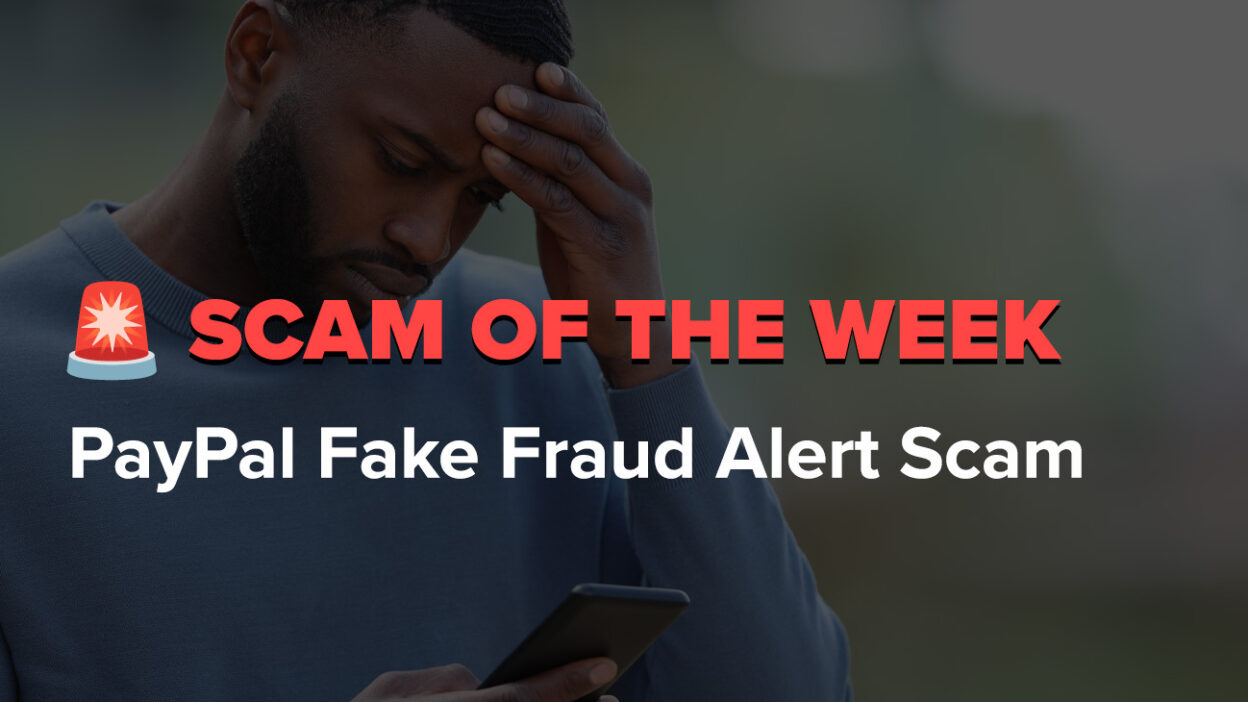
Imagine getting a notification that a $399.99 charge was just made to your PayPal account, and you have no idea where it came from. A voice claims to be from PayPal’s customer support, urging you to call a “support” number immediately if you didn’t authorize the transaction. This alarming message isn’t from PayPal at all—it’s a sophisticated scam preying on unsuspecting PayPal users. Here’s how this scam works, why it’s so dangerous, and what you can do to protect yourself.
In this article, we cover:
- The details of the PayPal Fake Fraud Alert Scam Call
- Why the PayPal Fake Fraud Alert Scam Call is dangerous
- How to protect yourself from the PayPal Fake Fraud Alert Scam Call
The Details of the PayPal Fake Fraud Alert Scam Call
This scam kicks off with an automated message claiming to be from PayPal. The caller informs you that your PayPal account has been charged $399.99, supposedly for a recent purchase. If you made the transaction, you’re told to simply ignore the message, but if you didn’t, you’re advised to call the “PayPal Support” number given. However, calling this number connects you directly to scammers. They use high-pressure tactics and may ask for sensitive information, such as your PayPal login credentials, account PINs, or even your credit card information.
Brand Exploited: PayPal / Fake Fraud Alert Scam
Fraud Score: 0.80
Actual Audio of the PayPal Fake Fraud Alert Scam Call
Dear customer, this call is from PayPal customer support. This is to notify you that your PayPal account has been charged for $399.99. If you have made this transaction and recognize it, simply hang up and no further action is required from your end. However, if you have not made any such transaction, you can call PayPal Support right away at 810-202-7324. Again, the number is 810-202-7324. Thank you.
Why the PayPal Fake Fraud Alert Scam Call Is Dangerous
This scam relies on the reputation of PayPal as a trusted payment platform. By targeting PayPal users with a fake fraud alert, scammers create a sense of urgency and panic, pressuring victims to respond without thinking. Once they engage with the fake “support” team, victims risk exposing sensitive information that can lead to further fraud, such as unauthorized purchases, compromised accounts, and even identity theft.
The scammers operate from various numbers, such as:
These numbers are frequently used in high-scam regions, including:
How to Protect Yourself from the PayPal Fake Fraud Alert Scam Call
To protect yourself from this scam, follow these crucial steps:
1. Be Cautious with Unexpected Fraud Alerts
PayPal does send legitimate fraud alerts, but they’re usually via email or app notifications. If you receive a call like this, always verify by logging into your PayPal account through their app or website, not by calling a number provided in the voicemail.
2. Avoid Sharing Sensitive Information
Real PayPal support won’t ask for your account PIN or password over the phone. If you’re uncertain, log into your PayPal account or contact their support through official channels to verify the issue.
3. Use Call-Blocking Services
YouMail’s call-blocking feature can help you stay protected by identifying and blocking known scam numbers like those in the PayPal fraud alert scam. With YouMail, you can prevent these calls from reaching you, keeping your personal information safe.
Stay vigilant, and use tools like YouMail to block unwanted calls and protect yourself from the latest scams. Download YouMail today to safeguard your information and enjoy peace of mind.
By recognizing scams like the PayPal Fake Fraud Alert, you can avoid unnecessary stress and protect yourself from malicious attempts to steal your information.
Find out more about Fraudulent Scams Exploiting Popular Brands at the YouMail Robocall Scam Guide.