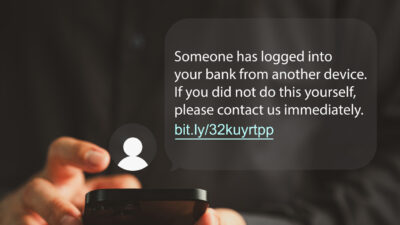


As the holiday season approaches, many of us are busier than ever shopping online and eagerly waiting for our deliveries to arrive. But this rise in online shopping also means a surge in delivery-related scams. Fake delivery notification texts are a common tool cybercriminals use to exploit unsuspecting consumers. These scams can put your privacy, finances, and even your personal information at risk.
In this guide, we’ll break down what these fake delivery scams look like, how they work, and how you can protect yourself. With a little vigilance and the right tools, you can keep the holiday spirit intact and your inbox (and phone) scam-free.
What Are Fake Delivery Notification Texts?
Fake delivery notification texts, often referred to as smishing scams (a blend of SMS and phishing), are deceptive messages designed to trick you into clicking a malicious link. They typically claim that there’s an issue with a package delivery or that you need to confirm delivery details. Scammers leverage familiar names like UPS, FedEx, USPS, DHL, and even Amazon to make these messages look legitimate.
Examples of Fake Delivery Texts
These scam texts usually have variations of the following messages:
- “Your package is waiting for delivery confirmation. Click here to confirm details: [link]”
- “Delivery attempt failed. Reschedule your delivery here: [link]”
- “Track your Amazon package: [link]”
- “Urgent: Update your delivery details immediately: [link]”
The goal is to create a sense of urgency or curiosity so that you click the link without thinking twice.
How Do Fake Delivery Scams Work?
Fake delivery notification texts typically follow a similar pattern. Here’s how these scams usually unfold:
- You Receive a Text Message: The text appears to come from a well-known courier service or retailer. It claims there’s a problem with your delivery or that your package is on hold.
- You Click the Malicious Link: If you click on the link, it may take you to a fake website designed to look like a real delivery service site. You might be asked to enter personal information such as your name, address, phone number, or even credit card details.
- Your Information Is Stolen or Your Device Is Infected: The scammers steal the information you provide, potentially leading to identity theft or financial fraud. In some cases, clicking the link can install malware on your device, compromising your security.
Why Fake Delivery Texts Spike During the Holidays
Increased Online Shopping Activity
During the holidays, most people are ordering gifts and other items online, making it easy for scammers to send fake delivery notifications that seem plausible. With so many deliveries expected, it’s hard to keep track of which texts are real and which ones are fake.
Heightened Urgency and Distracted Consumers
The holidays are hectic, and many people are distracted by holiday planning, shopping, and travel. Scammers rely on this distraction to increase the chances that you’ll click a link without carefully examining it.
How to Spot Fake Delivery Notification Texts
1. Check the Sender’s Number
Legitimate delivery companies typically send notifications from an official, verified number. If the message comes from an unfamiliar number or a personal-looking number, be cautious.
2. Look for Typos and Odd Language
Scammers often use poor grammar, unusual phrasing, or misspellings. Legitimate companies will have professionally written messages.
3. Don’t Click on Suspicious Links
Hover over the link (if possible) to see where it actually leads. If the URL looks strange or doesn’t match the official website of the delivery service, don’t click it.
4. Verify Directly with the Delivery Service
If you receive a questionable message, go directly to the courier’s official website and track your package there. Don’t rely on the link provided in the text.
5. Watch Out for Urgency and Threats
Scam texts often create a sense of urgency, like claiming your package will be returned if you don’t act quickly. Delivery companies rarely send threatening messages.
What to Do If You Receive a Fake Delivery Text
1. Don’t Respond
Avoid replying to the message, even if it says “Reply STOP to unsubscribe.” Responding confirms to the scammer that your number is active, which could lead to more scams.
2. Delete the Message
Once you recognize the message as a scam, delete it immediately. This reduces the chance of accidentally clicking the link later.
3. Block the Number
Block the sender’s number to prevent future messages from that source.
4. Report the Scam
You can report fake delivery notification texts to your mobile carrier or directly to organizations like the Federal Trade Commission (FTC) and the Anti-Phishing Working Group (APWG). In the U.S., you can forward suspicious texts to 7726 (SPAM) to notify your carrier.
Protect Yourself with YouMail
Staying vigilant is essential, but having a reliable tool to protect your communication can make a world of difference. YouMail offers powerful protection against scam calls and texts, helping to keep your inbox secure and your information safe.
How YouMail Keeps You Safe
- Call Blocking: YouMail blocks known scam calls, including robocalls and spoofed numbers, so scammers can’t easily reach you.
- Voicemail Protection: YouMail scans voicemails for potential threats, ensuring you don’t fall victim to voice phishing (vishing).
- Enhanced Privacy: YouMail protects your personal information and helps prevent identity theft by keeping unwanted callers at bay.
- Productivity Boost: By filtering out spam and scam calls, YouMail helps you stay focused and productive, especially during the busy holiday season.
Learn more about how YouMail can protect you by visiting the YouMail website.
Final Thoughts
Fake delivery notification texts are a real threat, especially during the holiday season. Scammers are counting on you to be too busy or distracted to notice their tricks. By staying alert, double-checking suspicious messages, and using trusted tools like YouMail, you can protect yourself and enjoy a stress-free holiday.
Stay safe, stay informed, and keep your holidays merry and scam-free!