
As tax season approaches, so does the flurry of scams designed to exploit unsuspecting taxpayers. Criminals become especially active during this time, using sophisticated tactics to steal personal information, financial data, and even hard-earned money. To protect yourself, it’s essential to recognize these schemes and understand how to respond.
Chuck Rettig, IRS Commissioner, cautioned, “Taxpayers need to remain vigilant to these types of scams, particularly during tax season when criminals are most active. Don’t be a victim—take steps to protect yourself.” Here’s what you need to know about common tax scams and how to avoid them.
1. IRS Impersonation Scams
One of the most widespread scams involves fraudsters pretending to be IRS agents. These imposters contact victims by phone, email, or even physical mail, claiming there’s an unpaid tax bill that requires immediate payment. They often threaten legal action, arrest, or the suspension of government benefits to intimidate victims.
In 2016 alone, the IRS reported that over one million Americans received these types of calls, resulting in more than $29 million in losses. A typical scam might involve a caller demanding payment via gift cards, wire transfers, or prepaid debit cards.
How to Avoid IRS Impersonation Scams:
- The IRS will never demand immediate payment over the phone or request payment via gift cards or wire transfers.
- The agency will always send a written notice before any official action is taken.
- Hang up immediately and report the incident to the Treasury Inspector General for Tax Administration (TIGTA).
2. Phishing Emails and Text Messages
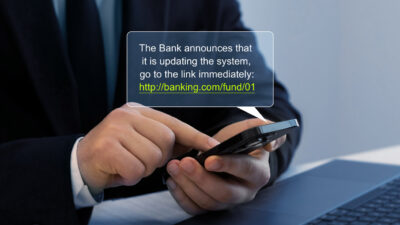
Another common tactic involves phishing scams—fraudulent emails or texts designed to steal your personal information. These messages often appear to be from the IRS, with subject lines like “Tax Refund Payment” or “Recalculation of Your Tax Refund.” Victims are directed to fake websites where their personal details are harvested.
Lisa Lake, an FTC Consumer Education Specialist, warns, “Scammers are highly skilled at making you panic. They thrive on urgency and fear. Stay calm and verify before you act.”
How to Avoid Phishing Scams:
- The IRS does not contact taxpayers through email or text to request personal or financial information.
- Avoid clicking on links or downloading attachments from unknown sources.
- Forward suspicious emails to [email protected] to report them.
3. Social Security Number (SSN) Scams
SSN scams ramp up during tax season, with fraudsters claiming there’s an issue with your Social Security Number. Victims are told their SSN has been suspended or compromised, often with threats of arrest or legal action.
These scams are especially dangerous because stolen SSNs can be used to file fraudulent tax returns and claim refunds.
How to Avoid SSN Scams:
- The IRS and SSA will never contact you by phone to discuss your SSN.
- Do not share sensitive information over the phone unless you’re certain of the caller’s identity.
- If you suspect fraud, report it to the FTC’s identity theft page.
4. Fake Charities
Tax season is also a time when scammers prey on goodwill. Fake charities often pop up after natural disasters or during tax season, seeking donations under false pretenses. They use names similar to legitimate organizations to appear trustworthy.
The IRS has included fake charities in its annual “Dirty Dozen” list of tax scams. To ensure your contributions go to a genuine cause, verify the organization’s status using the IRS’s Tax Exempt Organization Search tool.
How to Avoid Fake Charities:
- Avoid donating to charities that pressure you for immediate contributions.
- Use traceable payment methods instead of cash or wire transfers.
- Research the charity before donating, especially if it’s a new or unfamiliar organization.
5. Ghost Tax Preparers
Not all scams are initiated by strangers. “Ghost preparers” are fraudulent tax professionals who fail to sign tax returns, leaving their clients responsible for any errors or illegal claims. These preparers often promise large refunds and fabricate deductions or credits to inflate returns.
In 2022, the IRS highlighted this scheme, noting that ghost preparers frequently disappear after filing, leaving victims with audits, penalties, or worse.
How to Avoid Ghost Preparers:
- Only use registered tax preparers with a valid Preparer Tax Identification Number (PTIN).
- Check their credentials on the IRS Directory of Federal Tax Return Preparers.
- Review your tax return carefully before signing and submitting it.
6. Stimulus Payment Scams
During years when stimulus payments or tax credits are issued, scammers exploit these programs to trick taxpayers. Posing as IRS representatives, they claim to “help” recipients claim their payments, but instead steal personal and financial information.
For example, during the COVID-19 pandemic, victims reported receiving fake emails and calls promising expedited stimulus payments in exchange for their bank details.
How to Avoid Stimulus Payment Scams:
- The IRS does not initiate contact to process or expedite stimulus payments.
- Never share banking information with unsolicited callers or emails.
- If you’re unsure, visit the official IRS website for accurate information.
Final Tips to Stay Safe
- Screen Your Calls: Scammers often use spoofing technology to make their numbers appear legitimate. Consider using a voicemail service like YouMail to block and filter fraudulent calls effectively.
- Stay Informed: Check the IRS Tax Scams/Consumer Alerts page for updated information.
- Monitor Your Credit: Regularly review your credit report to detect signs of identity theft.
By staying informed and cautious, you can outsmart these criminals and ensure that your tax season is a secure one. As IRS Commissioner Chuck Rettig advises, “Don’t be a victim—take steps to protect yourself.”