

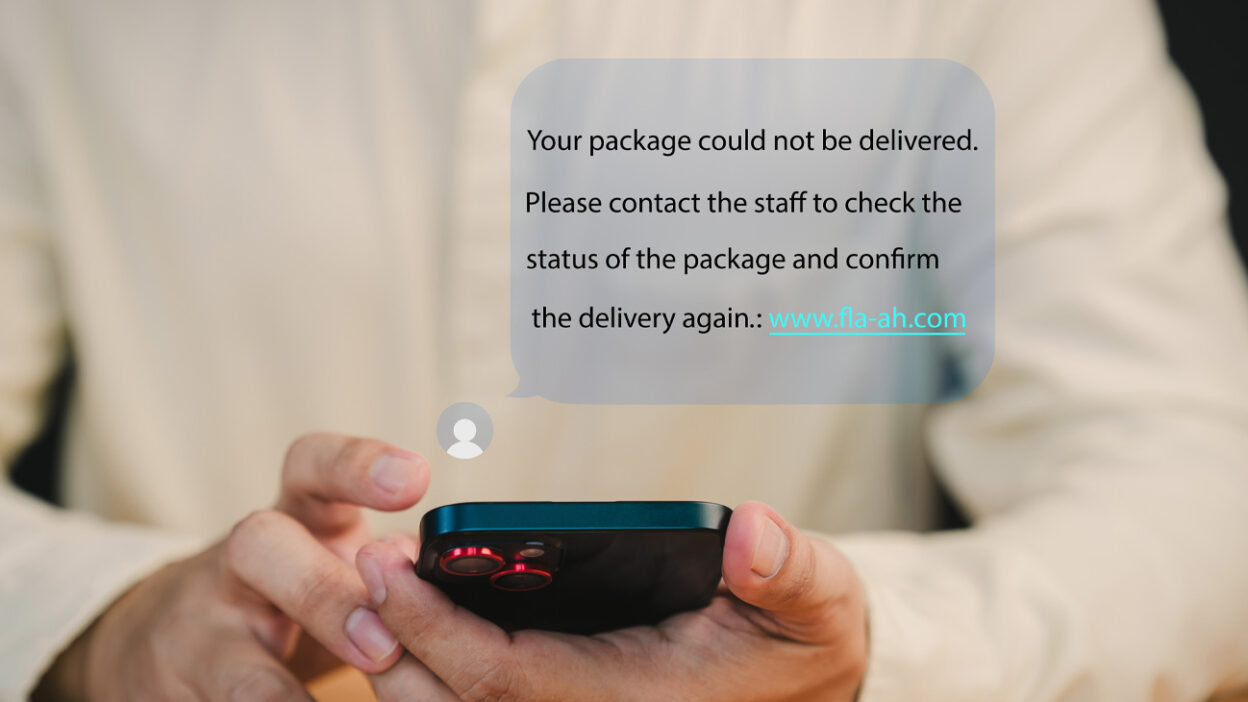
The holiday shopping season may be over, but delivery scam texts are here to stay. If you thought these fraudulent messages would fade away after the Christmas rush, think again. Scammers are getting smarter, targeting people well into the new year with fake shipping updates, missed delivery alerts, and bogus tracking links.
With online shopping continuing to dominate, bad actors know they can prey on consumers’ expectations of incoming packages. Whether it’s a real order on the way or a post-holiday return being processed, scammers are betting you’ll click before you think. Let’s break down why these scams are still so prevalent and how you can protect yourself.
The Never-Ending Delivery Cycle
While the holidays see a surge in deliveries, online shopping is a year-round habit. People return gifts, redeem gift cards, or take advantage of New Year sales, meaning package notifications still feel relevant. Scammers know this and capitalize on the constant flow of shipments. They send fake texts pretending to be from FedEx, UPS, USPS, or Amazon, often claiming:
- Your package couldn’t be delivered due to an incorrect address
- You need to pay a small fee to reschedule your delivery
- Your package is on hold and requires immediate action
- A new tracking link is available to check your shipment
These messages often contain phishing links designed to steal your personal or payment information—or even install malware on your device.
Smarter Scams, More Convincing Texts
Delivery scam texts have evolved. Instead of generic, poorly worded messages, fraudsters are using more personalized and convincing language. Some even reference actual tracking numbers stolen from data breaches. Others spoof real courier phone numbers, making it harder to tell the difference between a scam and a legitimate alert.
Scammers also time their messages strategically. If they know a retailer recently had a major sale, they’ll send a wave of scam texts pretending to be from shipping companies. They might even use the name of a retailer you’ve shopped with before, making it feel all the more real.
How to Spot and Avoid Delivery Scam Texts
Even though scammers are getting sneakier, there are still red flags you can watch for:
- Unexpected messages – If you weren’t expecting a delivery, be extra cautious.
- Suspicious links – Legitimate shipping carriers won’t ask you to click a strange link to update your delivery. Always go directly to the carrier’s official website.
- Urgency and pressure – Messages that claim you need to act “immediately” are designed to make you panic and click without thinking.
- Requests for payment or personal info – No shipping carrier will ask you to pay extra fees or provide sensitive details via text.
- Spelling and grammar errors – While scammers are getting better, mistakes in their messages can still be a giveaway.
What to Do If You Receive a Scam Text
- Don’t click any links – This is the fastest way to compromise your information.
- Don’t respond – Engaging with scammers can confirm your number is active, leading to more scam attempts.
- Report the scam – Forward scam texts to 7726 (SPAM) or report them directly to your mobile carrier.
- Use a call and text protection service – Services like YouMail can help filter out known scam numbers and prevent these messages from reaching you in the first place.
The Bottom Line
Delivery scam texts aren’t going away anytime soon. Scammers know that as long as people are expecting packages, they have an opportunity to strike. Staying alert and using tools like YouMail to block unwanted messages can keep your personal information safe.
Have you received a suspicious delivery text? Let us know in the comments below!