


Robocalls have long been a source of frustration and danger for phone users. But in recent months, one type of robocall has surged past the rest in terms of frequency and risk: loan-related scam calls.
According to April 2025 data from the Federal Communications Commission (FCC), loan-related robocall scams topped the charts—accounting for 21% of all robocall complaints submitted by consumers in March. This marked the largest single category of scam complaints, far exceeding others like health insurance, IRS impersonators, or solar energy fraud.
Whether you’re being offered student loan forgiveness, warned about a late mortgage payment, or prompted to act on a debt-relief opportunity, these calls are increasingly aggressive, convincing, and dangerous.
So why are they on the rise? And more importantly, how can you spot and block them before they cause harm?
Why Loan Robocalls Are Surging in 2025
The spike in loan-related robocalls reflects a combination of timely issues and sophisticated tactics:
- Economic uncertainty: With inflation, interest rate shifts, and ongoing debates around student loan forgiveness, many Americans are navigating financial stress. Scammers exploit this vulnerability.
- Student loan transitions: As borrowers resume payments after pandemic-era pauses, robocallers pretending to be from loan servicers are making a strong push.
- Spoofing technology: Many robocalls now mimic legitimate lenders’ phone numbers, making them harder to ignore or identify as fraudulent.
The FCC has issued multiple warnings in 2025 about this trend. One recent example involved DigitalIPVoice, a VoIP provider accused of enabling student loan robocalls. In a public notice, the FCC urged telecom carriers to block traffic from this source due to its connection to illegal robocall campaigns targeting vulnerable consumers.
Types of Loan Robocall Scams You Need to Know
Here are the most common forms of loan robocalls currently being reported to the FCC:
1. Student Loan Forgiveness Scams
- Claim to offer “Biden-approved” or “government-backed” loan relief
- Ask for an upfront fee or personal login information
- May spoof known servicers like Navient or FedLoan
2. Mortgage Payment Scams
- Threaten foreclosure if a payment isn’t made immediately
- Claim to offer refinancing with suspicious terms
- Some pretend to be from “federal mortgage relief” departments that don’t exist
3. Auto Loan/Title Loan Offers
- Offer to refinance car loans or pay off debt at “no risk”
- Push for sensitive financial details over the phone
- Often linked to phishing websites
4. Debt Consolidation or Payday Loan Traps
- Promise fast loan approval with “no credit check”
- Push you to act urgently to lock in a fake offer
- May leave voicemails with callback numbers that lead to fraud centers
Each of these scams is carefully crafted to build trust quickly and create a false sense of urgency. And for millions of Americans dealing with real loan payments, they can sound convincing.
How to Identify a Loan Robocall Scam
Spotting a loan scam isn’t always easy—but these red flags can help:
The caller demands immediate payment or personal information
Legitimate lenders do not request Social Security numbers, bank details, or logins over a robocall. If they do, hang up.
The call sounds too good to be true
“Complete loan forgiveness in 24 hours” or “no payments ever again” are typical hooks used by fraudsters.
The number looks familiar but isn’t quite right
Spoofing lets scammers make the number appear local or even mimic real lender numbers. Always check the official site of your loan provider before calling back.
The call is followed by shady text messages or emails
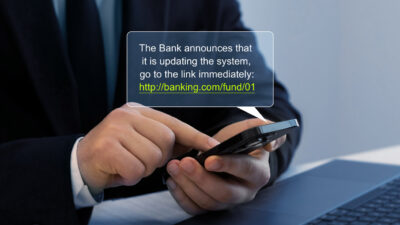
Some scammers combine voice calls with phishing emails or “smishing” (SMS phishing) to reinforce their message.
How YouMail Helps Stop Loan Robocalls Before They Reach You
At YouMail, we’re on the front lines of the robocall battle. Our technology goes beyond call blocking, we use machine learning and community-driven data to stop suspicious calls before you even pick up.
Real-time Robocall Blocking
YouMail automatically identifies and blocks known robocall scams, including those tied to loans, student debt, and financial fraud.
Smart Voicemail Screening
If an unknown number does leave a message, YouMail’s voicemail transcription and caller ID tools help you determine whether it’s legitimate, without risk.
Caller ID Spoofing Detection
We analyze call metadata to spot spoofing, helping prevent fake calls from appearing real.
Community Reporting
Thousands of YouMail users report scams daily, feeding into our Robocall Directory (view here), a public tool anyone can use to look up suspicious callers.
What the FCC’s Data Means
With loan-related robocalls making up 1 in 5 consumer complaints, this isn’t just an annoyance—it’s a nationwide issue. It’s critical for consumers to stay informed, use smart tools, and report scams so regulatory agencies and tech companies like YouMail can continue adapting.
Stay Ahead of the Scam Curve
Scammers are clever—but they’re not unbeatable. With YouMail, you’re not just avoiding one robocall; you’re joining a community fighting back against fraud in real time.


I have received over five different loan type scam calls in the past few days. They all tend to come from different variants of a similar number. So they keep getting through, even after I block them. Some leave messages, some just wait until I answer. Totally lame.
I get it. The scammers often spoof different numbers, making it look like the call is coming from a local caller, or an area code you might know people in. If your a business owner, or someone that needs to answer every call, it can get pretty insane avoiding the scams. I would look into adding Youmail as an extra layer of protection. The app is great for identifying an blocking known scam callers so you don’t have to deal with it.
Yes, just left a comment on another article then saw this one. I have been getting a lot of loan scams lately. I assume they are scams, they are either offering a rate change on an account I have, or fraud on account I don’t.. All of them seem shady. The thing that blows my mind is the consistency. I found that they often use the same script, or template, they just update the company name and or number. Once day you get, “this is Jane from the Amazon Fraud dept…” , next day “this is Jane from Venmo Fraud dept…” . It’s like a never ending, almost hourly game.
Your articles never fail to captivate me. Each one is a testament to your expertise and dedication to your craft. Thank you for sharing your wisdom with the world.
I have at least 15 phone numbers for my scammers. They’ve been calling me everyday for 2+ weeks. I’m retired, so I sometimes have nothing better to do, so I call some of the numbers and threaten the “operator”. Sometimes they answer the phone, sometimes they hang up on me without a word. I’m sure the names of the “companies” they’ve given me (Loan Assistance Center, Personal Intake Loan Co.) are fictitious. Sometimes they hang up when I ask for the company name. They even have a name for me. I’m Skylar. I have registered at “DonotCall.gov”. I’ve reported them to the FTC. I doubt that either of those will make it stop. Maybe they’ll give up and stop calling in a couple of years.
Getting the same type of calls i was reading about above. I have locked our SSN on Equifax/TransUnion/Experian. No Loan request can be processed (Credit Check) until they’re unlocked. Once the report is pulled, I relocked them again. Trust me and get your SSN’s locked. It wasn’t hard to do at all. When Unlocking I had to do it for Equifax and Experian (2 places), then relocked them. I sleep better at night because of this FREE protection!