
Every day, millions of unwanted calls disrupt our lives. Some are harmless but irritating, others are dangerous schemes, and many are fully automated. Knowing the difference between spam calls, scam calls, and robocalls is the first step in protecting yourself. In this guide, we’ll explain what each type means, why it matters, and how you can stop them for good with the right tools.
What Is a Robocall?
A robocall is any phone call that uses a prerecorded or automated message instead of a live person. While not every robocall is illegal, most of the unwanted calls people receive today fall into this category. Some robocalls are legitimate, such as appointment reminders from your doctor or school notifications. Others, however, are vehicles for spam and scams.
What Is a Spam Call?
Spam calls are unwanted but usually not outright criminal. They often come from telemarketers or companies pushing products or services you never asked for. Think of them as the phone equivalent of junk email. While annoying, spam calls are not always trying to steal from you.
That said, spam can still waste your time, clutter your voicemail, and make it harder to identify real calls.
What Is a Scam Call?
Scam calls are the most dangerous. These calls are designed to trick you into giving away money, personal data, or access to your accounts. Common scam calls include IRS impersonations, fake tech support, or fraud alerts pretending to be from your bank.
Scam callers often use spoofing to fake their caller ID and appear legitimate. Falling for one can lead to identity theft, drained bank accounts, or stolen business information.
Spam vs Scam vs Robocalls Explained
Here’s a simple way to break it down:
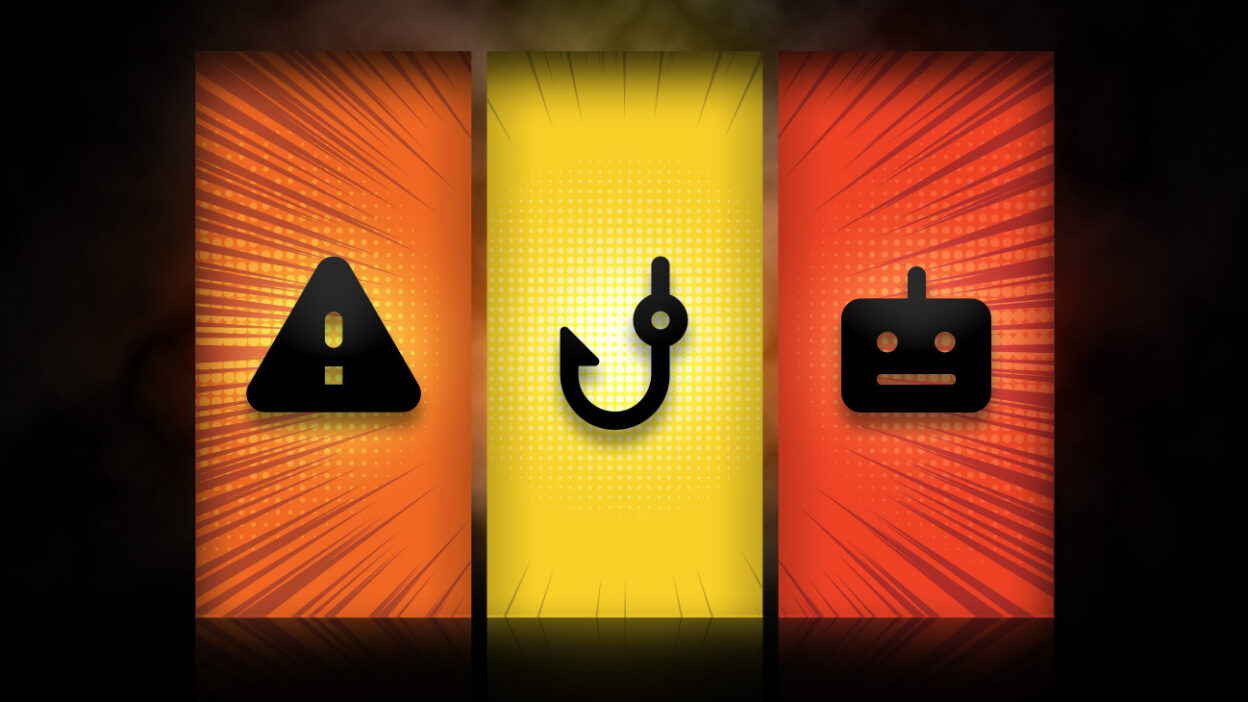
- Robocalls: The method — automated, prerecorded calls
- Spam calls: The nuisance — unwanted but not always harmful
- Scam calls: The threat — fraudulent calls designed to steal from you
Many calls overlap. For example, a scam call is often also a robocall, since scammers use automation to reach thousands of people quickly.
Why the Difference Matters
Understanding these differences is key because not every solution is the same. Regulatory agencies may allow certain robocalls but crack down hard on scams. Similarly, businesses that make telemarketing calls may be legal, even if the calls are unwanted. Knowing what you’re dealing with helps you choose the right strategy to block or report the call.
How to Stop Scam Calls in 2025
Stopping unwanted calls requires a combination of awareness and technology. Here are proven strategies to protect yourself:
- Do not engage: If you receive a suspicious call, hang up. Pressing numbers or speaking can confirm your line is active.
- Register with the Do Not Call list: This helps cut down on some legal spam calls, though it will not stop scams.
- Use a call blocking app: The most effective step you can take today is to use a service like YouMail that automatically blocks spam, scams, and robocalls.
- Check unknown numbers: Use a spam lookup tool before calling back. YouMail’s Directory can help verify numbers in real time.
- Report scam calls: Alert the FTC or FCC to help regulators track down offenders.
Why YouMail Is the Best Defense
YouMail goes beyond basic call blocking. Our technology uses a vast database of billions of calls to identify and stop threats before they reach you. With YouMail, you can:
- Block spam and scam calls automatically with industry-leading robocall protection
- Get real-time fraud alerts when a dangerous call is detected
- Protect your voicemail from spam clutter and phishing attempts
- Stay ahead of new scams with weekly updates and robocall data
Whether you are an individual tired of daily interruptions or a business owner protecting employees, YouMail provides the most comprehensive defense available.
Final Thoughts
The difference between spam, scam, and robocalls may seem small, but it is critical to your security. Spam calls are irritating, scam calls are dangerous, and robocalls are the technology that makes both possible.
With tools like YouMail, you can block the noise, avoid fraud, and focus on the calls that actually matter.
Start protecting yourself today with YouMail’s robocall protection.