

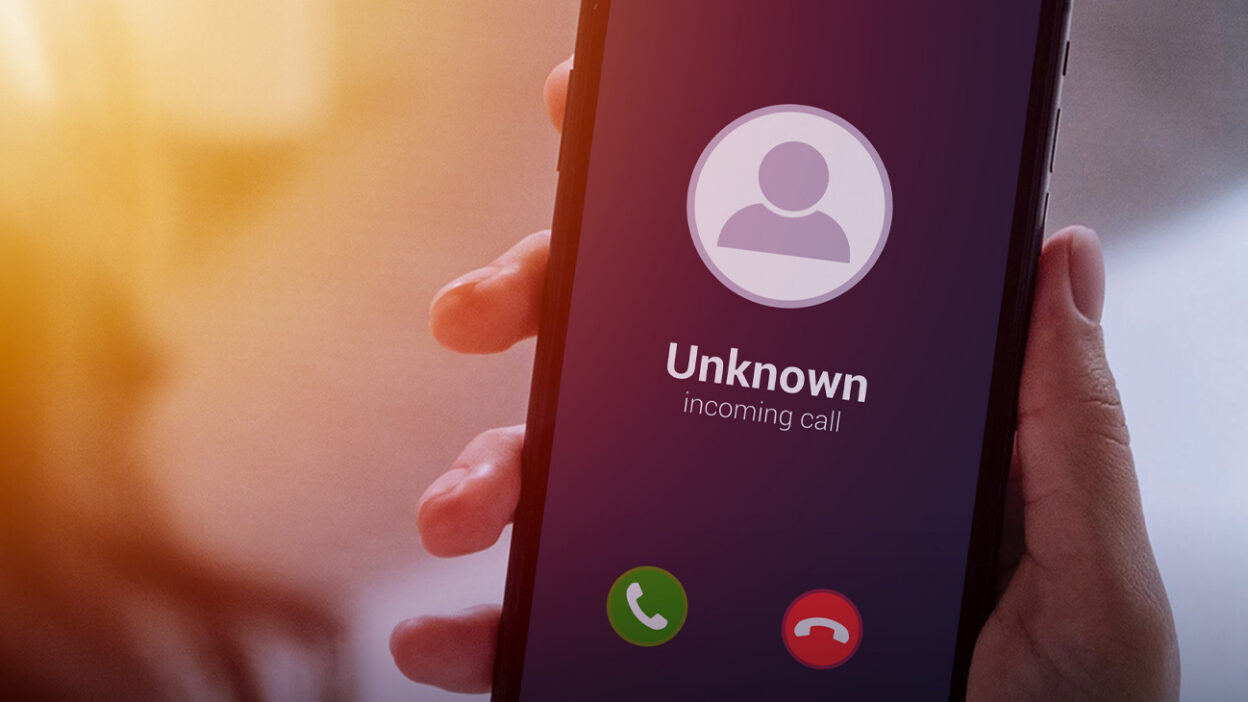
Unknown calls have a bad reputation, and for good reason. Spam calls, scam attempts, robocalls, and spoofed numbers have trained people to ignore anything they do not recognize. But YouMail knows that not every unknown call is junk. Sometimes an unfamiliar number belongs to your doctor’s office, your child’s school, a delivery driver, a mechanic, or a recruiter trying to reach you. When that happens, ignoring the wrong call can create real problems.
Separate your work life from personal with a second number.
The problem is that most people are now making a split-second decision based on very little information. If the number is not saved in their contacts, they assume it is probably spam. That instinct is understandable, but it is not always accurate. Unknown does not automatically mean bad. It often just means you do not have enough context yet.
Why unknown calls feel risky now
People have been conditioned to distrust their phones. For years, spam callers have flooded inboxes and call logs with fake local numbers, prerecorded messages, and urgent-sounding scams. As a result, many consumers now ignore almost every call they do not recognize.
That behavior can reduce interruptions, but it also creates a new problem. Important calls get missed along with the junk. A school nurse may call from a main office line you do not know. A doctor’s office may call from a scheduling center. A contractor, pharmacy, bank fraud team, or job interviewer may all appear as unknown or unfamiliar.
In other words, the real issue is not just spam. It is uncertainty.
The hidden cost of ignoring the wrong call
Missing an unknown call is easy to dismiss in the moment. But sometimes the consequences are more serious than people expect.
You might miss:
- A call from your child’s school
- A doctor or specialist confirming an appointment
- A pharmacy about a prescription issue
- A delivery driver trying to complete a drop-off
- A mechanic with an update on your car
- A recruiter or employer calling about an interview
- A fraud department trying to verify suspicious activity
When people ignore every unknown number, they are not just avoiding risk. They are also risking delay, inconvenience, missed opportunities, and unnecessary stress.
Unknown calls are not all the same
This is where a lot of people get stuck. They treat every unfamiliar number as if it belongs in one category. But in reality, unknown calls fall into at least three buckets:
1. Clear spam or scam
These are the easiest to understand. They may come from known spam sources, spoofed numbers, or patterns linked to robocalls and fraud.
2. Legitimate but unfamiliar callers
These are the calls people often regret missing. The number is not in your contacts, but the caller is real and the call matters.
3. Ambiguous calls
This is the gray area. The call may be harmless, urgent, low-priority, or suspicious. You need more information before deciding what to do.
That middle ground is where better caller intelligence matters most, and it is one of the reasons tools like YouMail can be so useful. Instead of forcing you to guess, reverse phone lookup can help you quickly understand who may be behind the number and whether it deserves your attention.
Why reverse lookup changes the decision
Most people do not actually want to answer every unknown call. They just want to know which ones matter.
Reverse phone lookup helps shift the question from “Should I answer unknown numbers?” to “What is this number, and how should I respond?” That is a much better decision framework.
With the right lookup tool, you may be able to identify:
- Whether a caller appears suspicious
- Whether the number may be tied to a business or service
- Whether others have reported the number
- Whether the call deserves a callback or should be ignored
That kind of quick context helps separate signal from noise. It turns unknown calls into something more manageable.
A better default behavior for unknown numbers
For a lot of people, the default habit has become simple: ignore it. But a smarter default is this: do not assume, verify.
That does not mean you need to answer every unfamiliar call. It means you should have a fast way to triage the call before reacting. If the number looks suspicious, block it and move on. If it appears legitimate, you can decide whether to answer or call back. If it is unclear, you can investigate before doing either.
That kind of call triage is becoming more important as phones become both more essential and more cluttered.
The goal is not more calls. It is better decisions.
No one wants more interruptions. The real goal is not to convince people to pick up every unknown number. The goal is to help them make better decisions about which calls deserve attention.
That is a subtle but important shift.
When people stop seeing unknown calls as automatically worthless, they can respond more intelligently. They can protect themselves from spam without missing important moments that happen to arrive from an unfamiliar number.
Unknown does not mean unimportant
The next time you see a missed call from a number you do not know, it may still be spam. But it may also be something you actually need. That is why the smartest move is not blind trust or blind avoidance. It is better information.
YouMail helps make that possible by giving users smarter ways to identify, evaluate, and respond to unfamiliar callers. If you want a better way to sort out what matters and what does not, visit YouMail and see how caller intelligence can help you handle unknown calls with more confidence.