
Spam calls are not random interruptions. Most are part of coordinated campaigns that rely on repeated scripts, rotating numbers, and predictable tactics designed to get a response.
Each month, certain numbers rise to the top based on volume and user reports. While those specific numbers may change, the behavior behind them stays remarkably consistent.
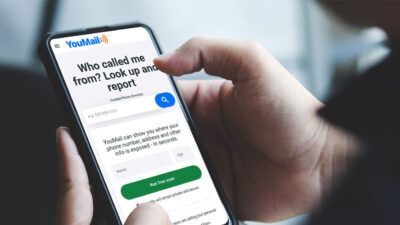
If you ever need to check a suspicious number or see recent reports, you can start here: https://directory.youmail.com/
Why “Top Spam Numbers” Change Every Month
Download YouMail and instantly stop spam calls, texts, and voicemail.
It is not about one number
One of the biggest misconceptions is that spam calls come from a fixed set of numbers. In reality, most campaigns cycle through thousands of numbers to avoid being blocked.
A number may appear heavily one week and disappear the next, not because the campaign stopped, but because it simply moved on to a new batch of numbers.
Spoofing makes it harder to track
Many of the numbers flagged this month are likely spoofed. That means the caller is masking their real number and displaying something that looks local or familiar.
This tactic increases the chance that someone answers, especially if the number appears to come from the same area code or even the same exchange.
What the top spam numbers are doing right now
Rather than focusing only on the numbers themselves, it is more useful to understand what these calls are actually trying to do.
Across the top reported numbers this month, a few clear campaign types stand out.
Financial and bank impersonation
These calls are designed to create urgency and fear. They often claim there has been suspicious activity on your account or that your account has been locked.
Typical messaging includes:
- Alerts about unauthorized transactions
- Requests to verify personal information
- Instructions to call back immediately
In many cases, the goal is to capture login credentials or sensitive financial data.
Delivery and subscription scams
Another common pattern involves fake delivery notifications or service alerts. These calls often reference:
- Missed package deliveries
- Subscription renewals
- Billing issues that require action
They are effective because they tap into everyday expectations. Many people are waiting on packages or managing subscriptions, which makes the message feel believable.
Debt and legal threat calls
Some of the most aggressive campaigns involve threats related to unpaid debts or legal action.
These calls may:
- Claim you owe money
- Reference legal consequences
- Pressure you to act immediately
The urgency is intentional. The goal is to push quick decisions without giving you time to verify the claim.
Warranty and insurance campaigns
These calls continue to show up month after month. While some may originate from legitimate telemarketers, many blur the line or cross into deceptive practices.
Common examples include:
- Extended car warranty offers
- Health insurance enrollment pitches
- Coverage verification requests
Even when not outright scams, they are often persistent and unwanted.
Patterns behind the numbers
Same script, different numbers
A key pattern across the top spam numbers is repetition. Even when the number changes, the message does not.
You may notice:
- Identical voicemail recordings
- The same phrasing or tone
- Repeated calls from different numbers with the same message
This is a strong indicator of a coordinated campaign rather than isolated activity.
High frequency and persistence
Spam campaigns rely on volume and repetition. The same target may receive multiple calls in a short period from different numbers.
This increases the likelihood that:
- The call is eventually answered
- The recipient engages out of curiosity or frustration
Persistence is one of the most effective tools these campaigns use.
Why these numbers matter
Tracking the most active spam numbers provides insight into broader trends. It helps answer questions like:
- What types of scams are increasing
- Which tactics are working for callers
- How campaigns are evolving over time
Even if a specific number disappears, the behavior behind it often continues in a new form.
How to check if a number is a scam
Before responding to any unknown call, it is worth taking a moment to verify the number.
You can:
- Look up recent reports tied to the number
- Check if others have flagged it as spam
- Identify patterns that match known scam types
Using tools like https://directory.youmail.com/gives you visibility into what other users are experiencing and helps you make a more informed decision.
Reverse phone number lookup
Find out who’s calling you
What to do when you receive one of these calls
If you receive a call from a number that seems suspicious, the safest approach is to avoid engaging.
Best practices include:
- Do not press buttons or follow prompts
- Avoid calling back unknown numbers
- Block the number on your device
- Report the call to help improve detection
Taking these steps not only protects you but also contributes to broader efforts to identify and stop spam campaigns.
Final thoughts
The list of top spam phone numbers will continue to change every month, but the strategies behind them remain consistent.
Understanding those strategies is the key to staying protected. When you recognize the patterns, you are far less likely to fall for them.
If you want to check a number, block spam calls, or stay ahead of emerging threats, visit https://www.youmail.com/.