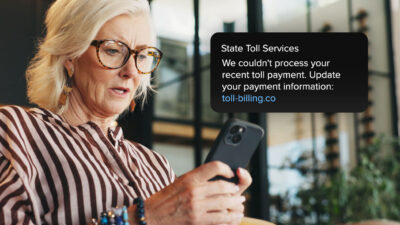

Spam calls have become a pervasive issue across the United States, impacting millions of Americans every day. The sheer volume and persistence of robocalls have transformed this form of harassment into a nationwide problem, costing both time and money, while also posing potential risks to privacy and security. Here’s an in-depth look at how spam calls are affecting the country, based on recent data from sources like Robocall Index.
Robocalls on the Rise: A Nationwide Issue
Spam calls have been steadily increasing over the past several years, with billions of calls being placed each month. According to the Robocall Index, Americans received nearly 50 billion spam calls in 2023 alone. This flood of calls is not only an inconvenience but also a source of frustration and anxiety for many, as these calls can interrupt personal time, work hours, and even emergency situations.
Top States Affected by Spam Calls

While spam calls impact residents nationwide, certain states experience higher call volumes than others. Texas, California, Florida, and Georgia are consistently among the top recipients of robocalls each month. This variation is often due to population size, the economic activity within the state, and targeted scam campaigns that capitalize on local events or natural disasters.
For example:
- Texas consistently ranks at the top, with cities like Houston and Dallas frequently logging millions of calls per month.
- California also sees high call volumes, with residents in Los Angeles and San Francisco among the most impacted.
Most Common Types of Spam Calls
The types of spam calls vary, but some common scams frequently surface:
- Phishing Scams – Callers impersonate financial institutions, often asking for account details or offering fake loan or credit card opportunities.
- IRS Scams – Fraudsters claim to be IRS representatives, often threatening legal action or requesting immediate payment for supposed debts.
- Warranty Renewal Scams – These calls claim the recipient’s car warranty is expiring and attempt to sell costly, unnecessary services.
- Healthcare Scams – Scammers prey on elderly or vulnerable populations, offering fake health benefits or enrolling them in fraudulent insurance plans.
Impacts on Individuals and Businesses
Spam calls come with significant economic and psychological consequences:
- Financial Losses – According to the Federal Trade Commission (FTC), Americans lost more than $10 billion to fraud in 2023, with a large portion of these losses tied to phone scams.
- Privacy Risks – Spam calls are a major vector for identity theft, where scammers often trick victims into divulging sensitive information.
- Productivity Disruption – Businesses also bear the burden, as spam calls interrupt workflows, consume resources, and sometimes lead to direct financial losses when employees or customers fall victim to fraud.
How YouMail is Helping Block Spam Calls
YouMail is one of the leading solutions for combating robocalls, offering an advanced call-blocking system for both Android and iOS devices. With YouMail, spam calls are automatically screened and blocked, helping to reduce the number of unwanted calls users receive. Here’s how it works:
- Automatic Detection and Blocking: YouMail uses a sophisticated algorithm that identifies and blocks robocalls in real-time. When a suspected spam call comes in, YouMail plays an “out of service” message, discouraging further attempts from that number.
- Caller Type Alerts: Users are notified about the type of scam blocked, whether it’s an IRS scam, warranty call, or a healthcare scam. This empowers users to understand the kind of fraud they’re being protected against.
- Enhanced Privacy with Privacy Scan: YouMail offers a Privacy Scan feature, which scans online databases to find where a user’s personal information may be exposed. This feature helps prevent identity theft by monitoring and removing sensitive data that could otherwise be accessed by scammers.
How to Report Spam Calls in the U.S.
Federal and state agencies provide avenues for reporting spam calls:
- Federal Trade Commission (FTC): The FTC allows people to report robocalls directly through their website or by calling their helpline.
- Federal Communications Commission (FCC): The FCC accepts complaints about robocalls, particularly those that are illegal or harassing.
- State Consumer Protection Agencies: Many states have their own consumer protection agencies or attorney general offices that accept reports of robocall-related scams. For example, California and New York encourage residents to report spam calls through their attorney general’s offices, which have specialized units to investigate fraud.
U.S. Legislation Against Robocalls
In recent years, U.S. lawmakers have increased efforts to address robocall issues. The TRACED Act, signed into law in 2019, gave the FCC more power to penalize robocallers and mandated that telecom companies implement STIR/SHAKEN technology, which verifies the authenticity of phone calls. This technology has been a game-changer, reducing the effectiveness of spoofing, where scammers disguise their numbers to appear legitimate.
The Future of Robocalls in the U.S.
As robocall-blocking technology continues to advance and more states pass strict legislation against spam calls, there’s hope for a reduction in unwanted calls. However, scammers are continually adapting their techniques, finding new ways to bypass security measures. Tools like YouMail are crucial for staying one step ahead, providing everyday Americans with the resources to protect themselves against this growing threat.
FAQs
Phishing scams, IRS scams, warranty renewal scams, and healthcare scams are some of the most common types of spam calls affecting Americans.
Texas, California, Florida, and Georgia are typically the most impacted states, with large populations and frequent reports of spam calls.
YouMail uses automated detection to identify and block unwanted calls. It also plays an “out of service” message to deter further calls and provides privacy scans to protect user information online.
Reports can be made to the FTC, FCC, or state consumer protection agencies, which collect complaints to help investigate and reduce robocalls.
The TRACED Act and STIR/SHAKEN protocol mandate call authentication and give the FCC authority to penalize spam callers, helping to curb robocall activities across the U.S.