
Why scam texts seem to explode every summer
There is a reason your phone may seem busier with suspicious text messages once summer arrives. While scammers operate throughout the year, the warmer months create the perfect conditions for fraud because people’s routines change. Families are traveling, online shopping increases for vacations and back-to-school purchases, outdoor events are everywhere, and people are simply spending more time away from home. Criminals know all of this, and they build scams around these seasonal habits.
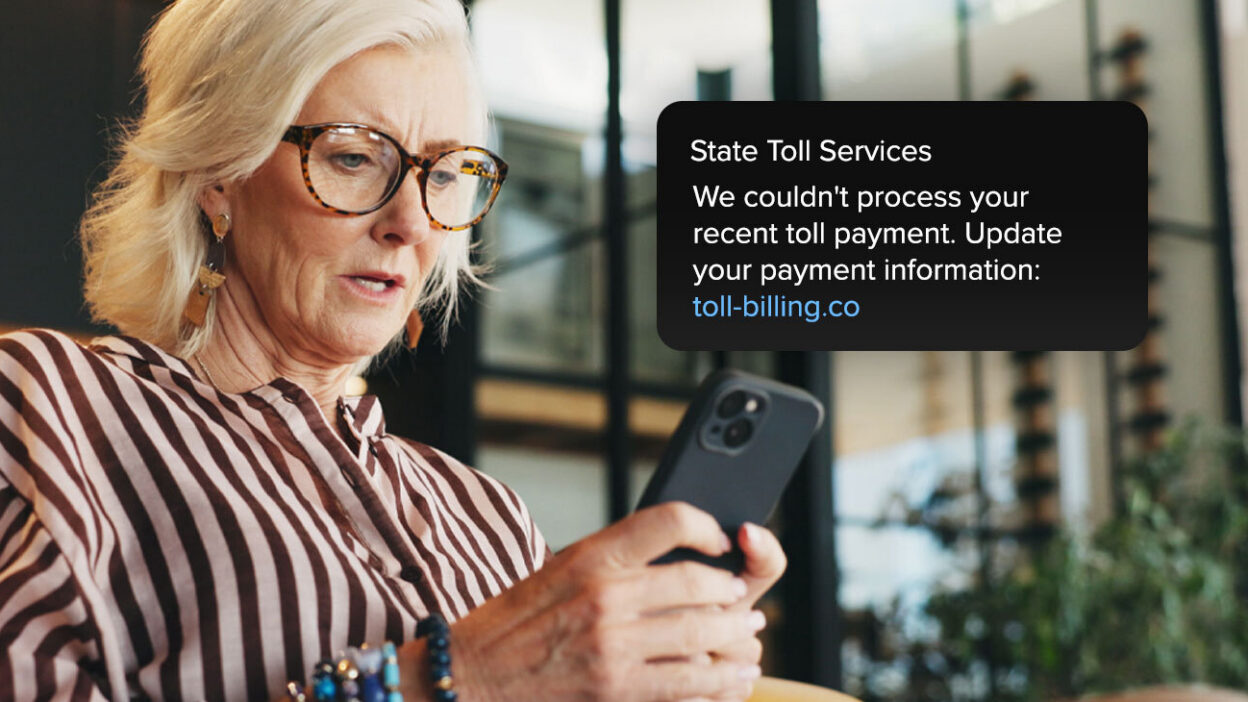
A text claiming your flight has changed, a package couldn’t be delivered, or you owe a small toll payment feels much more believable when you’re actually traveling or waiting for a shipment. Instead of sending completely random messages, scammers increasingly tailor their attacks to match what millions of people are already expecting to receive.
The result is that scam texts feel more relevant, more convincing, and much harder to ignore than they did just a few years ago.
Reverse phone number lookup
Find out who’s calling you
Summer gives scammers more opportunities to blend in
Unlike robocalls that often interrupt your day without warning, scam texts succeed because they blend into the dozens of legitimate notifications you receive every week. Airlines, hotels, delivery companies, banks, retailers, ticket vendors, and payment apps all communicate by text, making it easier for criminals to impersonate trusted brands.
During the summer, this flood of legitimate messages only increases. Someone planning a vacation might receive confirmations from an airline, hotel, rideshare service, and rental car company within the same day. Add package delivery notifications for travel gear or summer shopping, and it becomes much easier for a fake message to slip through unnoticed.
Rather than relying on obvious tricks, modern scammers focus on creating just enough urgency to convince someone to click before they stop to think.
AI is making scam texts more believable than ever
Another reason scam texts seem more common is that they have become much easier to produce.
Artificial intelligence allows criminals to generate thousands of realistic phishing messages in seconds. The awkward grammar and spelling mistakes that once made scams easy to recognize are disappearing, replaced by polished messages that closely resemble legitimate communications from banks, retailers, shipping companies, and government agencies.
Some scammers even personalize messages using publicly available information, making the text appear even more authentic. A fake delivery notification may include your city. A banking alert may reference your mobile carrier. A travel scam may arrive just as you’re preparing for a trip.
The technology has lowered the barrier for scammers while making their messages significantly more difficult for consumers to identify.
The most common scam texts you’ll see this summer
Although scammers constantly adjust their tactics, many of the most successful campaigns follow predictable seasonal themes. Instead of inventing elaborate stories, they imitate the notifications people expect to receive this time of year. Knowing what these scams look like makes them much easier to recognize before you click.
Banking and payment alerts remain a favorite tactic because they create immediate urgency. Messages often warn about suspicious account activity or claim your account has been temporarily restricted. Their goal is to convince you to click a fraudulent login page before you have time to verify the message independently.
Package delivery scams continue to be among the most common. These messages claim your shipment is delayed, requires address verification, or needs a small payment before delivery can be completed. The links typically lead to fake websites designed to steal passwords, payment information, or other personal details.
Travel and vacation scams become far more common during the summer. Criminals impersonate airlines, hotels, rental car companies, and travel booking websites by sending fake reservation updates or payment requests. Because many people are actively traveling, these messages often feel legitimate enough to catch someone off guard.
Toll road and parking payment scams have exploded in popularity over the past year. A text claims you owe only a few dollars for an unpaid toll or parking fee and pressures you to pay immediately before additional penalties are added. The small dollar amount makes these scams especially convincing.
Download YouMail and instantly stop spam calls, texts, and voicemail.
Why these scams work so well
Many people assume scam texts succeed because victims aren’t paying attention. In reality, these scams work because they take advantage of normal human behavior.
When you’re boarding a flight, expecting a package, or trying to pay for parking before a meeting, you don’t carefully analyze every notification that appears on your phone. Scammers understand this. They don’t need every message to fool someone. They simply need a small percentage of recipients to react quickly without verifying the source.
This is why many scam texts create artificial urgency. They tell you your account will be locked, your package will be returned, or additional fees will be charged unless you act immediately. The pressure is intentional because urgency reduces skepticism.
How to protect yourself from summer scam texts
While scam texts continue to evolve, protecting yourself often comes down to slowing down before you respond. A few smart habits can dramatically reduce your chances of becoming a victim, regardless of what type of scam lands on your phone.
Use tools that automatically help protect your phone. Apps like YouMail provide an additional layer of defense by helping identify suspicious callers, blocking known spam numbers, and offering privacy tools that reduce your exposure to scammers. Automated protection can stop many threats before they ever have a chance to reach you.
Never click a link simply because a message appears urgent. If a text claims there’s a problem with a package, bank account, airline reservation, or payment, visit the company’s official website or mobile app directly instead of using the link provided. Taking an extra minute to verify the information can prevent much bigger problems later.
Be skeptical of unexpected requests for personal or financial information. Legitimate organizations rarely ask you to verify passwords, payment details, or account information through an unsolicited text message. If something doesn’t feel right, contact the organization using a trusted phone number or website.
Report suspicious texts whenever possible. Reporting scam messages helps improve spam detection systems and allows carriers and security providers to identify emerging campaigns more quickly. Every report contributes to protecting other consumers from the same scam.