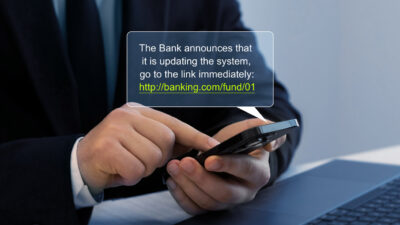


Over the past three days, I have received three text messages attempting to convince me that I owe money for running a toll. They all looked somewhat official—claiming to be from “The Toll Roads”—with a warning that if I didn’t pay immediately, late fees would be added, and my account would be reported to the DMV. There was even a link to click for payment. But, as is often the case these days, something felt off.

After a closer look, it didn’t take long to realize it was a scam. Although I do use toll roads and have a TollTag, the first thing I noticed was that the company name was incorrect. Where I live, the agency is not called “The Toll Roads.” The web address also didn’t match the official toll agency’s website, and the urgent language felt more like a scare tactic than a legitimate notice. A quick Google search confirmed that toll text scams are becoming more common, targeting drivers across the country.
What Are Toll Text Scams?
Toll text scams, also known as “smishing” (SMS phishing), involve fraudsters sending fake messages that claim you have unpaid tolls. These messages often include a link that directs you to a fraudulent website designed to steal your payment information, personal details, or even install malware on your device.
The prevalence of these scams has been alarming. In New York, Governor Kathy Hochul warned consumers about fraudulent E-ZPass text messages attempting to collect fake tolls. These messages often originate from international numbers and direct recipients to unofficial websites. (Source)
Similarly, the Federal Trade Commission (FTC) has highlighted a nationwide phishing scam where scammers pose as toll agencies, sending texts about unpaid tolls to steal money and personal information. (Source)
How to Spot a Toll Text Scam
If you receive a text claiming you owe money for tolls, here are some red flags to watch out for:
- Unfamiliar Web Links – Official toll agencies have specific URLs. If the link looks suspicious or doesn’t match the agency’s known website, don’t click it.
- Urgent Language and Threats – Scammers try to pressure you by claiming you’ll face penalties, late fees, or even legal consequences if you don’t pay immediately.
- Unsolicited Payment Requests – Toll agencies typically send invoices via mail or through official online accounts, not random text messages.
- Spelling and Grammar Errors – Many scam messages contain awkward phrasing or typos, a common sign of fraud.
- Sender Information – Scammers may use random phone numbers, while legitimate agencies will have official contact details.
What to Do If You Receive One
If you get a suspicious toll text message, follow these steps:
- Don’t Click the Link – Clicking on a fraudulent link can expose you to phishing attacks or malware.
- Don’t Reply to Text – Replying to a fraudulent text can expose you to phishing attacks or malware.
- Verify with the Toll Agency – If you think you might actually owe toll fees, visit the official website of your toll provider or contact them directly.
- Report the Scam – Forward the message to 7726 (SPAM) and report it to the FTC (Federal Trade Commission) or the FBI’s Internet Crime Complaint Center (www.ic3.gov).
- Block the Number – Prevent further messages from reaching you by blocking the sender.
Stay Safe and Spread Awareness
Scammers are always looking for new ways to trick people, but by staying informed and cautious, you can protect yourself. Share this with friends and family—especially those who frequently use toll roads—so they don’t fall for the trap.
Have you received a toll text scam? Let us know in the comments, and stay safe out there!