
Another year, another flood of robocalls. The 2024 data from the YouMail Robocall Index shows that robocall activity continues to surge, with a staggering 4.7 billion robocalls placed in January 2025 alone—an 8.7% increase month-over-month. As we analyze last year’s trends, we see familiar patterns emerging: robocallers remain persistent, and some cities are hit much harder than others. But the data also provides insights into how we can fight back against these unwanted calls.
The Scale of the Problem
In 2024, Americans received billions of robocalls, averaging:
- 152.9 million calls per day
- 6.4 million calls per hour
- 1.8K calls per second
- 14.4 robocalls per person
These numbers highlight the sheer scale of robocall operations and their impact on consumers nationwide. Whether they’re scams, telemarketing pitches, or even legitimate payment reminders, robocalls remain a daily nuisance for millions.
The Most Affected Cities
Robocall volume varies significantly by location. According to the January 2025 data, these cities were the hardest hit:
- Atlanta, GA – 164.5M calls (+9% MoM)
- Dallas, TX – 156.4M calls (+7% MoM)
- Houston, TX – 140.1M calls (+7% MoM)
- Chicago, IL – 135.5M calls (+8% MoM)
- New York, NY – 122.4M calls (+7% MoM)
- Los Angeles, CA – 109.9M calls (+7% MoM)
- Baltimore, MD – 86.1M calls (+12% MoM)
- Phoenix, AZ – 80.1M calls (+13% MoM)
- Newark, NJ – 65.5M calls (+8% MoM)
- Detroit, MI – 63.5M calls (+6% MoM)
Atlanta continues to hold its position as the robocall capital of the U.S., while Phoenix and Baltimore saw some of the biggest month-over-month spikes.
What Types of Robocalls Are People Getting?
Not all robocalls are scams, but many of them are. Here’s a breakdown of the types of robocalls recorded in 2024:
- Telemarketing Calls: 36% (Product pitches, political campaigns, promotional offers)
- Alerts & Reminders: 25% (School closings, flight updates, medical appointment reminders)
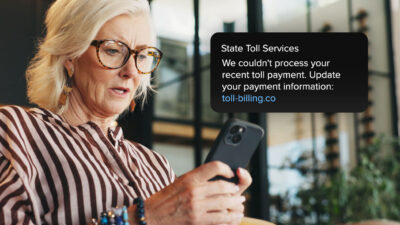
- Scam Calls: 22% (IRS fraud, Social Security scams, fake sweepstakes wins)
- Payment Reminders: 16% (Overdue bill notices, credit card payment reminders)
- Unclassified: 2%
Telemarketing calls made up the largest category, accounting for 36% of all robocalls, followed by alerts and reminders at 25%. Scam calls remain a significant problem, making up 22% of all robocalls, reinforcing the need for vigilance among consumers.
How to Protect Yourself
With robocalls on the rise, here are some ways you can protect yourself:
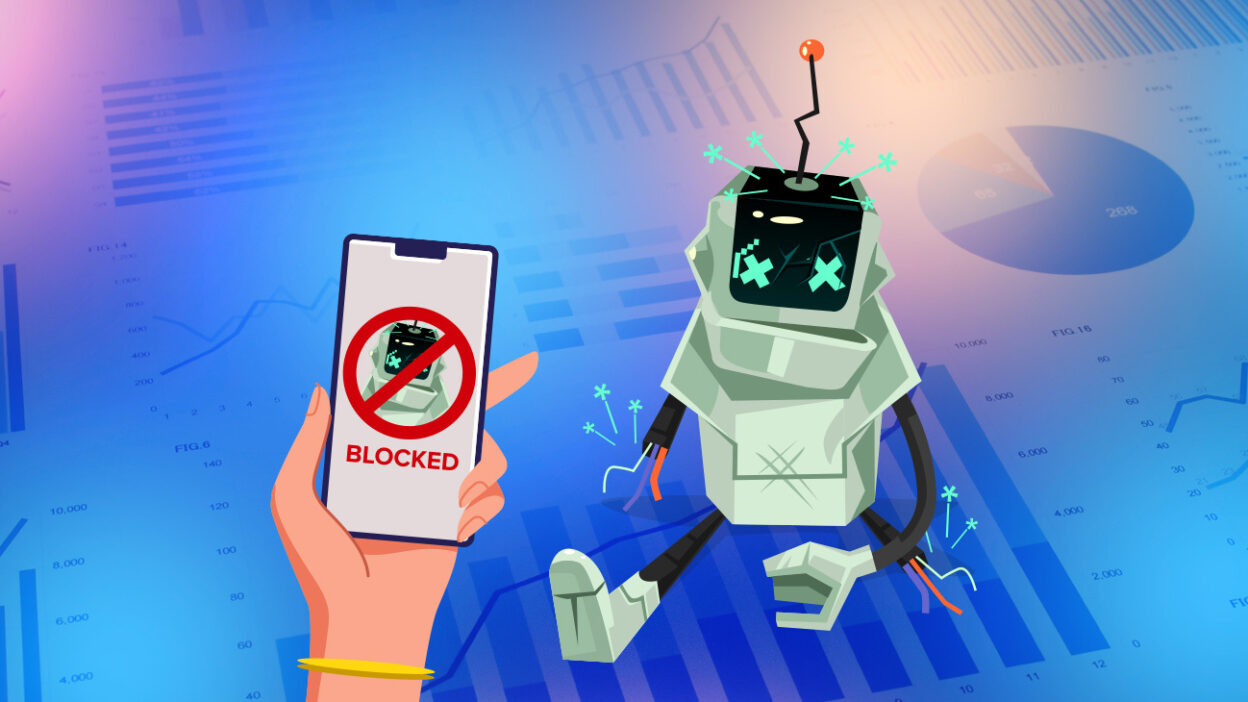
- Use a Call Blocking App – Services like YouMail automatically block known robocallers and notify the authorities.
- Avoid Answering Unknown Calls – If you don’t recognize the number, let it go to voicemail.
- Report Robocallers – YouMail allows users to report robocall numbers to help stop spam calls at the source.
- Don’t Engage with Scammers – If you do answer a call and suspect it’s a scam, hang up immediately.
- Enable Carrier Blocking Services – Most mobile carriers offer free or paid robocall filtering services.
Looking Ahead to 2025
With new regulations and advancements in call-blocking technology, there’s hope that robocall numbers may decline in the coming years. However, scammers are always adapting, which means consumers must remain vigilant. YouMail continues to work towards putting robocallers out of business and ensuring users stay protected from these unwanted interruptions.
Want to stop robocalls today? Get started with YouMail and take control of your phone again.