

A Perfect Storm for Fraud
As the federal government shutdown continues, millions of Pennsylvanians who rely on the Supplemental Nutrition Assistance Program (SNAP) are facing an abrupt halt to their benefits. The Pennsylvania Department of Human Services (DHS) confirmed that November SNAP payments will not be made unless Congress takes immediate action to pass a budget. For the nearly two million residents affected, this loss of support means uncertainty, frustration, and difficult choices about food and basic needs.
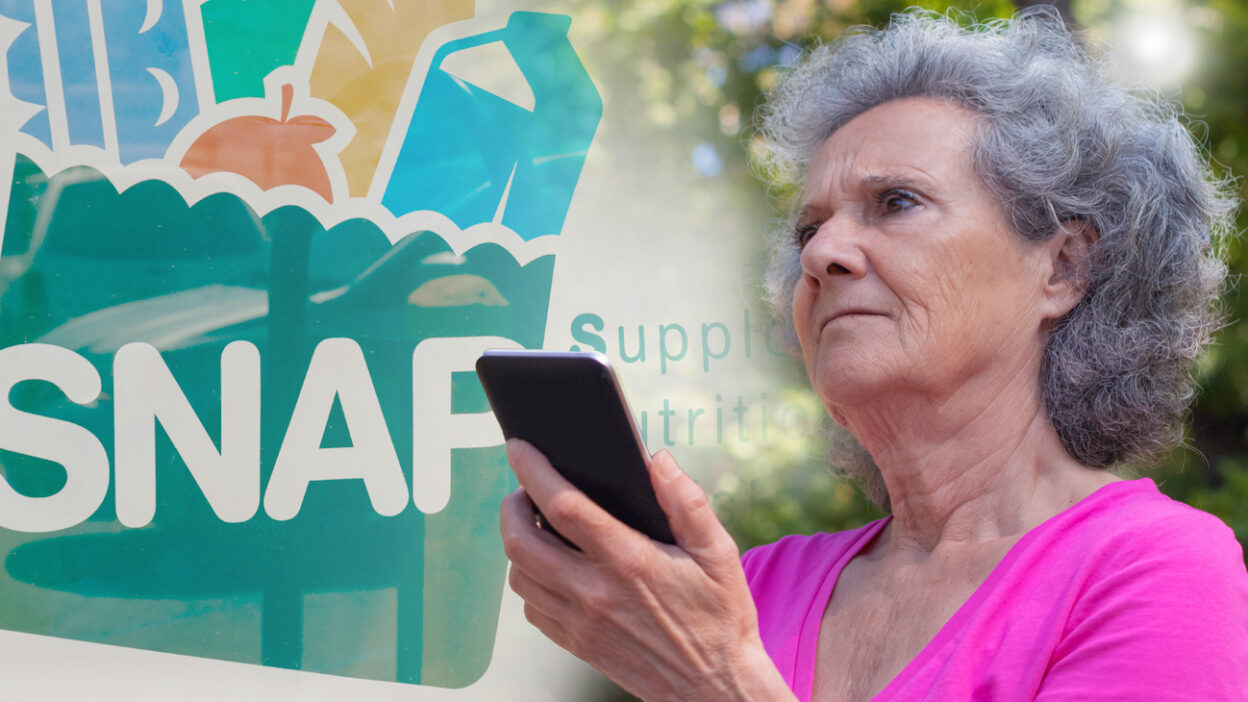
Unfortunately, scammers are already exploiting the crisis. Reports across Pennsylvania, Connecticut, Indiana, and Alabama show that fraudsters are calling SNAP recipients, claiming their benefits are frozen or their EBT cards restricted. Victims are told they must “verify eligibility” or provide their PIN to unlock their funds, when in reality, the goal is theft.
How This Scam Works
The calls sound urgent and official, often mimicking state agency language. Scammers use prerecorded robocalls or live callers pretending to be from DHS or the “SNAP verification department.” The message usually says your EBT card is on hold until you confirm personal information.
These scams are particularly harmful because they prey on those already under pressure. When benefits are paused and official communication is slow, people are more likely to respond quickly to what sounds like a fix.
What You Can Do
If you receive one of these calls, do not provide any personal information or PINs. State agencies will never ask for these details over the phone. Instead, hang up and verify updates directly with official state websites or trusted sources like pa.gov.
You can also protect yourself by using a call protection app like YouMail, which automatically identifies and blocks known scam numbers before they ever ring your phone. YouMail’s national robocall data helps detect scam campaigns like these early, allowing people to stay one step ahead of fraudsters.
Why These Scams Work So Well
Crisis-driven scams succeed because they exploit fear and urgency. When something as essential as food assistance is at stake, recipients are far more likely to act without verifying. Scammers know that calling during government disruptions makes their story more believable.
Taking a moment to pause can make all the difference. Ask a friend or family member to review a message before responding. Wait until the next day to confirm with an official source, even if the message says “urgent.” Scammers count on you reacting immediately. Waiting helps you stay safe.
Stay Vigilant and Informed
DHS encourages recipients to report suspicious calls to the fraud tip line at 1-844-DHS-TIPS. People in immediate need of food can also visit pa211.org or local food banks for support while payments remain delayed.
YouMail continues to monitor nationwide robocall trends, including scams targeting low-income households during the shutdown. Staying informed and using a reliable call protection service ensures that when a real government call does come through, you’ll know it’s safe to answer.