
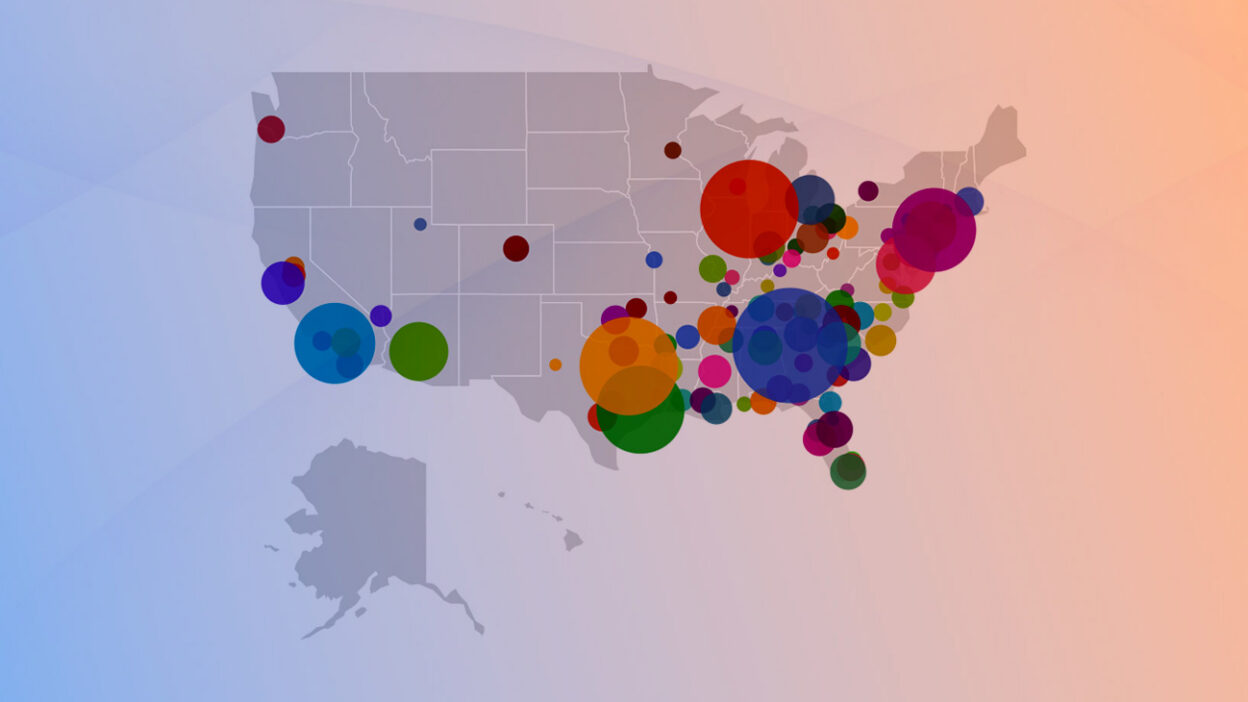
Spam calls are not evenly distributed across the country. While robocalls impact nearly everyone, certain cities consistently receive a higher share of unwanted calls due to population size, targeting strategies, and campaign efficiency.
Using the latest data from the YouMail Robocall Index, we can break down exactly which cities are seeing the highest call volumes and what that means for residents. Platforms like YouMail track these trends in real time, helping uncover where spam activity is most concentrated and how it is evolving.
The most targeted cities in March 2026

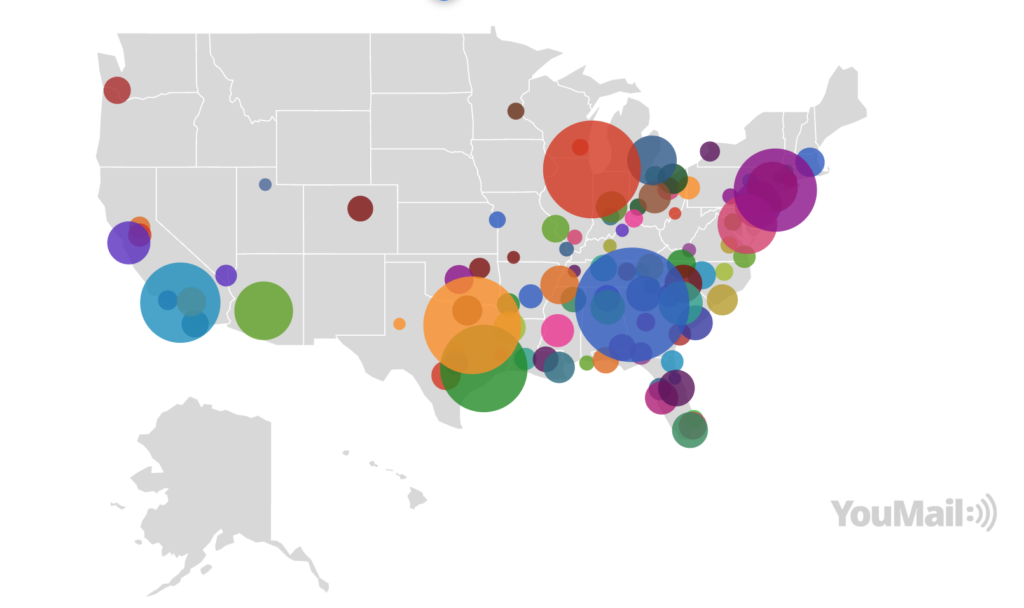
In March 2026, Americans received over 4.2 billion robocalls nationwide. Within that total, a handful of cities stood out for receiving the highest volume of calls.
The top cities included:
- Atlanta, GA with approximately 137.4 million calls
- Chicago, IL with about 117.4 million calls
- Dallas, TX with roughly 117.3 million calls
- Houston, TX with over 104.9 million calls
- New York, NY with nearly 100 million calls
- Los Angeles, CA with over 96 million calls
These are followed by:
- Baltimore, MD
- Phoenix, AZ
- Newark, NJ
- Detroit, MI
- Philadelphia, PA
- Columbia, SC
- San Francisco Bay Area, CA
- Memphis, TN
- Charlotte, NC
Each of these cities saw tens of millions of robocalls in a single month, with many experiencing noticeable increases compared to February.
Month over month trends: where calls are rising fastest
Beyond total volume, the rate of change is just as important. Many cities saw increases between 7 percent and 12 percent month over month, indicating a broader resurgence in robocall activity.
Some of the more notable spikes include:
- Houston and Baltimore both rising by around 12 percent
- Dallas and Los Angeles increasing by roughly 10 percent
- Newark also seeing a 10 percent jump
- Columbia and Memphis showing double digit growth
These increases suggest that robocall campaigns are actively expanding into or intensifying within certain regions.
Why these cities are being targeted
Larger populations mean more opportunity
Cities like Atlanta, Chicago, and Dallas have large populations, which makes them attractive targets for high volume campaigns. The more people a scammer can reach, the higher the likelihood of engagement.
Even a small response rate can generate significant returns at scale.
Dense metro areas improve efficiency
Urban areas allow robocall campaigns to operate more efficiently. Calls can be concentrated within specific area codes and regions, making targeting easier and more effective.
This is especially important for campaigns that rely on local number spoofing.
Local familiarity increases answer rates
Many spam calls are designed to look local. When a number appears to come from the same city or area code, people are more likely to answer.
This tactic, combined with number rotation, helps scammers maintain high engagement rates even as numbers are blocked.
What types of calls are driving these volumes

Robocalls are not all the same. In March 2026, call categories were distributed across several key types:
- Telemarketing calls made up the largest share at 32 percent
- Alerts and reminders accounted for about 24 percent
- Scam calls represented roughly 22 percent
- Payment reminders made up 15 percent
- Unclassified calls filled in the remaining 7 percent
While not all telemarketing calls are illegal, scam calls remain one of the most concerning categories due to their intent and impact.
Common scam types in these high volume cities include:
- Bank impersonation and fraud alerts
- Delivery and package scams
- Debt collection threats
- Subscription or billing issues
These campaigns are designed to feel relevant and urgent, increasing the likelihood of engagement.
Regional patterns and emerging hotspots
While major cities dominate total volume, some smaller markets are beginning to show faster growth rates. This suggests that scammers are expanding beyond traditional high population targets.
Emerging patterns include:
- Increased activity in southeastern cities like Columbia and Charlotte
- Continued growth in Texas markets including Dallas and Houston
- Consistent high volume across both coasts, particularly in New York and California
These trends indicate that robocall campaigns are becoming more geographically diverse.
What this means for residents
If you live in one of the top cities, you are more likely to experience:
- Frequent spam calls throughout the day
- Calls from local looking numbers
- Repeated attempts from rotating numbers
Even if you are not in a top ranked city, the broader trends still apply. Robocall campaigns are expanding, not shrinking.
The key takeaway is that volume alone does not define risk. The sophistication of these calls continues to increase, making them harder to identify at a glance.
Download YouMail and instantly stop spam calls, texts, and voicemail.
How to protect yourself from spam calls
Be cautious with unknown numbers
If you do not recognize the number, let it go to voicemail. Legitimate callers will leave a message.
Do not rely on caller ID alone
Spoofing makes it easy for scammers to appear local or familiar. Always verify before engaging.
Block and report suspicious calls
Blocking individual numbers helps, but it is only part of the solution. Reporting helps identify broader patterns.
Use tools that detect patterns across calls
Because robocall campaigns rely on number rotation, effective protection requires more than just blocking individual numbers.
Solutions like YouMail analyze call behavior across large networks to identify scam patterns and stop them before they reach you.
The bigger picture
The cities with the highest robocall volumes offer a clear view into how these campaigns operate. They target large populations, rely on local familiarity, and scale quickly across regions.
At the same time, emerging hotspots show that no area is immune. As tactics evolve, so does the geographic spread.
Understanding these patterns is critical to staying ahead of the problem.
Final thoughts
Spam calls remain a nationwide issue, but the impact is concentrated in key cities where volume and targeting overlap.
By tracking where calls are increasing and how campaigns are evolving, it becomes easier to recognize and avoid them.
If you want to check trends in your area and take steps to protect your phone, explore what is available through YouMail and stay informed on the latest robocall activity.