

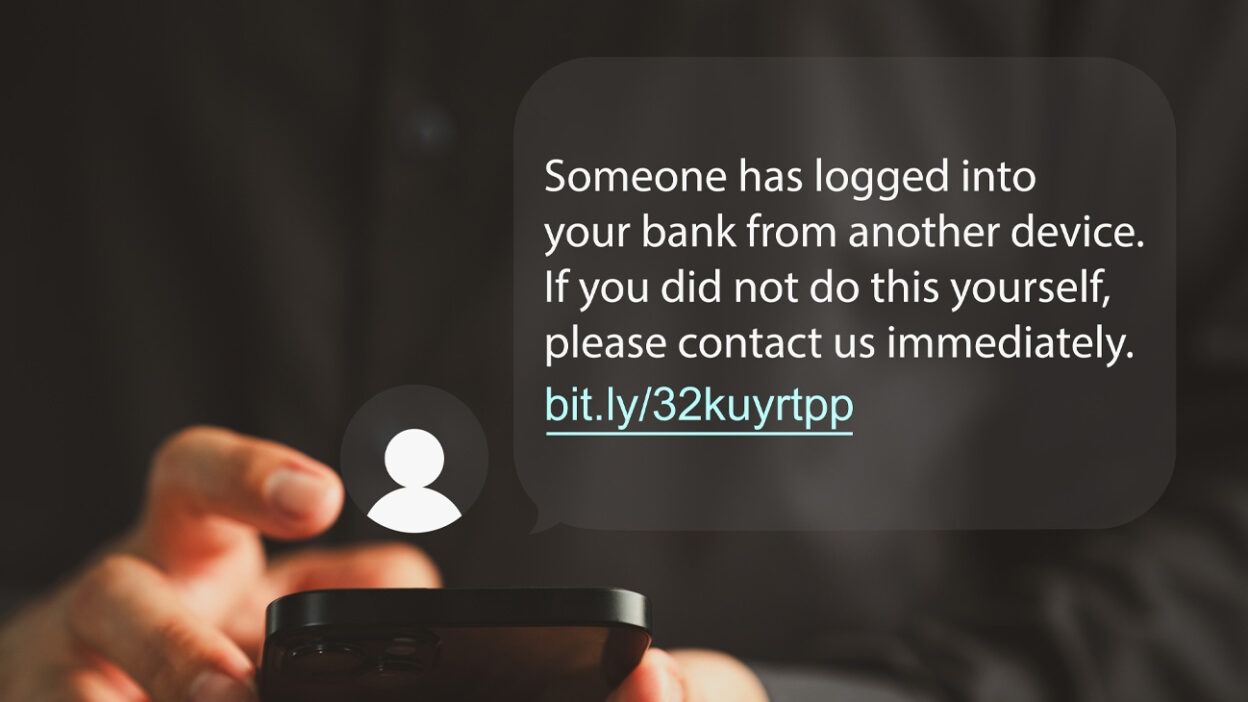
Scam calls and texts continue to be one of the most common tricks used by fraudsters. While some scams are obvious, others are carefully designed to sound legitimate and lure you into sharing personal information. Knowing what to watch out for is the best way to protect yourself.
This guide explains the most important warning signs of scam calls and texts and gives you practical steps to keep your information safe. By learning how to recognize red flags and by using trusted tools like YouMail, you can stop scams before they cause harm.
Look for Common Red Flags in Caller Behavior and Text Content
Scammers often create a sense of urgency. They may claim you owe money, that your account has been locked, or that a family member is in danger. They push you to act quickly before you have time to think. Another common sign is vague or generic greetings, such as “Dear Customer,” instead of using your actual name. Texts filled with misspellings or strange phrasing are also signs of fraud.
Verify the Phone Number Using a Spam Number Lookup Tool
Even if a call looks real, do not take it at face value. A quick spam number lookup can help you see whether others have reported the number as suspicious. YouMail’s directory allows you to type in a number and instantly learn whether it has been flagged by other users. This extra step helps you separate real calls from fraudulent ones.
Use a Call Protection App That Flags Suspicious Numbers
One of the best ways to stay safe is to let technology do the heavy lifting. A scam call identifier app, like YouMail, automatically blocks robocalls and alerts you when a number has been reported as dangerous. Instead of guessing whether a call is legitimate, you get real-time protection and peace of mind.
Never Click Links or Share Information in Suspicious Texts
Text messages are a favorite tool of scammers because it is easy to send thousands at once. Many of these messages include links that look official but lead to fake websites designed to steal your personal data. A good rule is simple: never click on links from unknown senders and never reply with personal information. If a company truly needs your attention, they will reach out through official channels.
Check for Number Spoofing and Caller ID Fakes
Scammers often disguise their calls to look like they are coming from a trusted source. This practice, known as spoofing, can make it appear as though the call is from your bank, a government agency, or even your own area code. If the caller ID looks suspiciously similar to your own number or to a familiar institution, hang up and contact the organization directly through an official phone line.
Stay One Step Ahead of Scammers
Protecting yourself from scams comes down to awareness and the right tools. Pay attention to the warning signs, verify suspicious numbers, and avoid clicking links in questionable texts. Most importantly, use robocall protection in 2025 to keep your phone secure.
YouMail offers one of the best scam call blocker apps available today. It identifies and stops fraud attempts before they reach you, giving you the confidence that your personal information remains safe. With the right habits and the right protection, you can stay one step ahead of scammers and keep your phone free from fraud.